博物馆只能收藏“古董”吗
原创 值班编辑刘雨沛 本地Local
博物馆(学)的兴起和发展,其基础和所仰仗的技术,都是人类的智慧。一些头脑和手脚都极具创造力的人,创造出了另人叹为观止、想要永远拥有、甚至留给下一代继续拥有的物品。而后基于对美的追求和向往,在解决了温饱问题的群体(早期贵族)中,出现一些愿意挥洒金钱和人力物力将物品们及相关内涵和信息完整保留的、另一个意义上的创造者。这些创造者一起,造就了博物馆的兴起。
另一个角度上,博物馆“兴起”和得以发展的原因是,人类的好奇心。以及,每一个个体对于自己存在过的痕迹的执着、和想要留下些什么的向往,也就是,人们的“收藏”习惯。在这个层面上,亲爱的大家,你们、我们,每一个人,都可以成为“策展人”,和博物馆合作。你小时候的布娃娃、爸爸妈妈的结婚证,都可以摆在橱窗里,讲它们的故事,以及与它们相关的人和社会的故事。
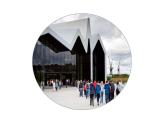
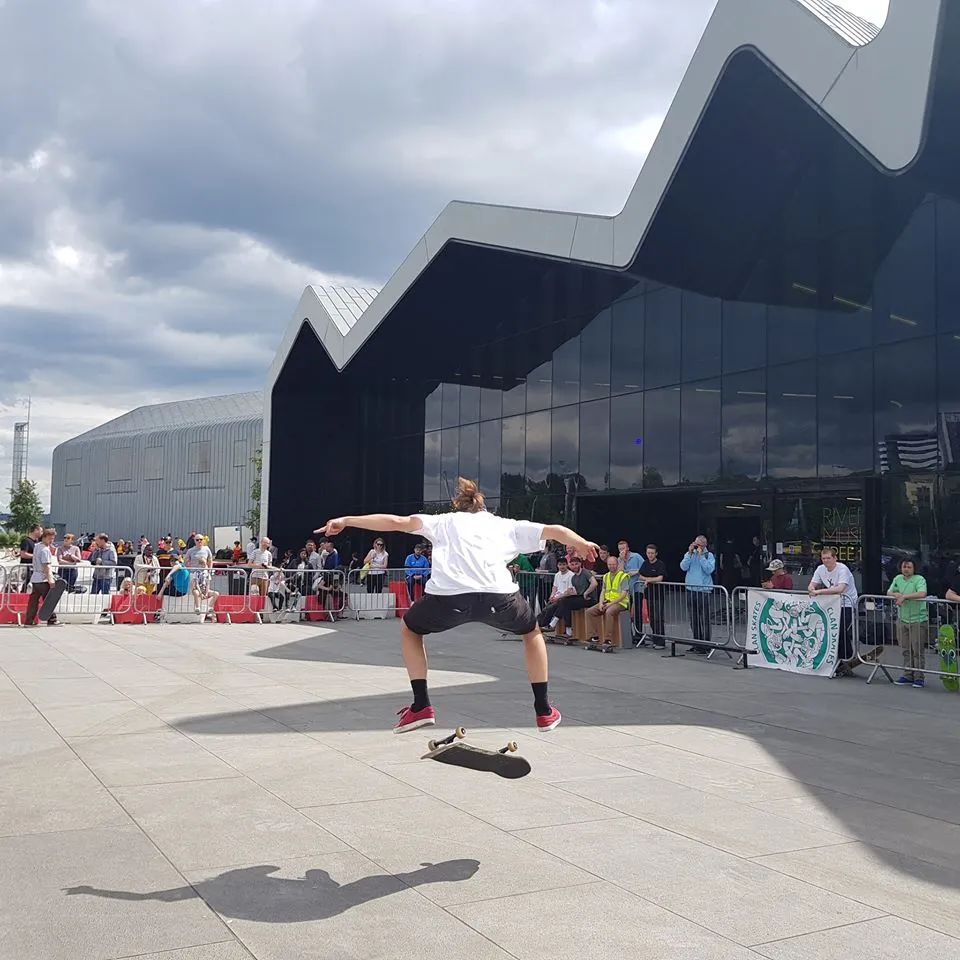
英国格拉斯哥,河边博物馆
策展人、藏品部门负责人
Curator of Transport and Technology, the Riverside Museum
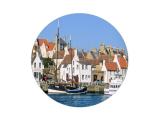
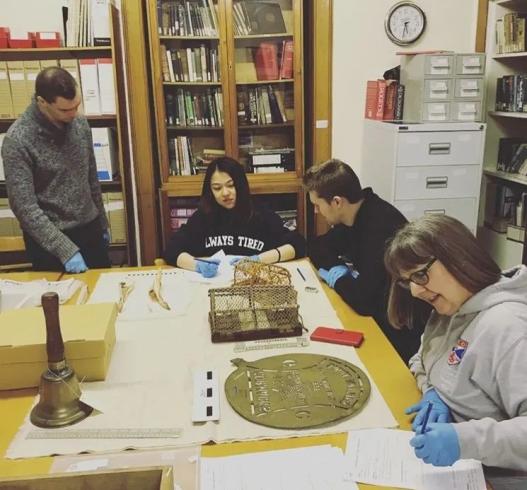
英国安斯特拉瑟,苏格兰渔业博物馆
馆长、策展人
Curator of the Scottish Fisheries Museum
将“日常”引入博物馆
Local本地:你觉得收藏来自于人们日常生活中的物品,这件事情值得做吗?
What is your opinion about the value of collecting objects from everyday life?
Heather:这个世界上的绝大多数人,也就是绝大多数潜在的博物馆访客,不是著名的艺术家或发明家之类的人,而是在工作、奋斗、生活的个人,在爱与被爱的普通人。收集代表这些人的物品非常重要,我们需要告诉大家,我们对文化和生活的贡献是重要和有价值的。对于百年后的人们来说,他们将通过这些物件了解历史中的我们:这些人大多数人是怎么样的,少数人又是怎么样的。
这是一场知识的互相交换。人们觉得被重视和被尊重,这很重要,博物馆需要让人们感受到实实在在的平等。
Heather: The vast majority of people in this world, and therefore the vast majority of potential visitors, are not famous artists or inventors or such like, but instead individuals who work and strive and live and love. To collect objects that represent these people is incredibly important – for today’s visitors to feel their contribution to culture and life is important and valued and for visitors of the future who will learn about the majority as well as the privileged minority.
There is a definite knowledge exchange. Participants feel respected and valued. The museum is more egalitarian.
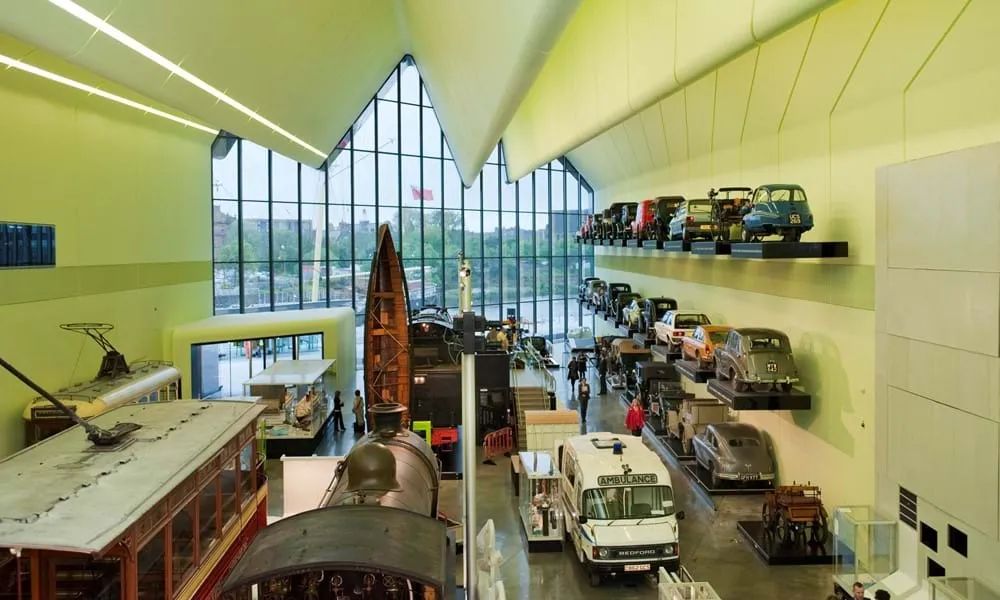
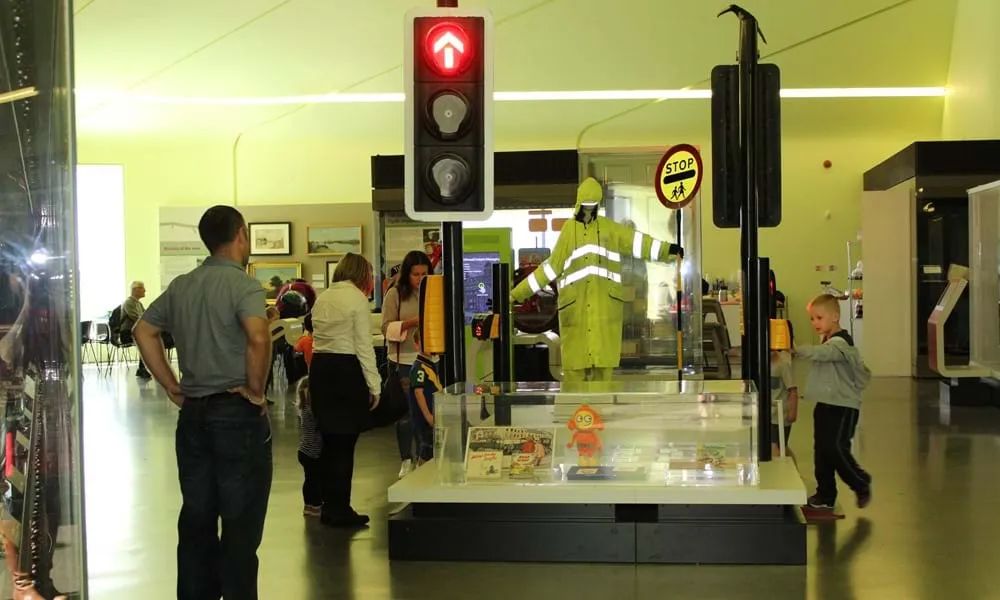
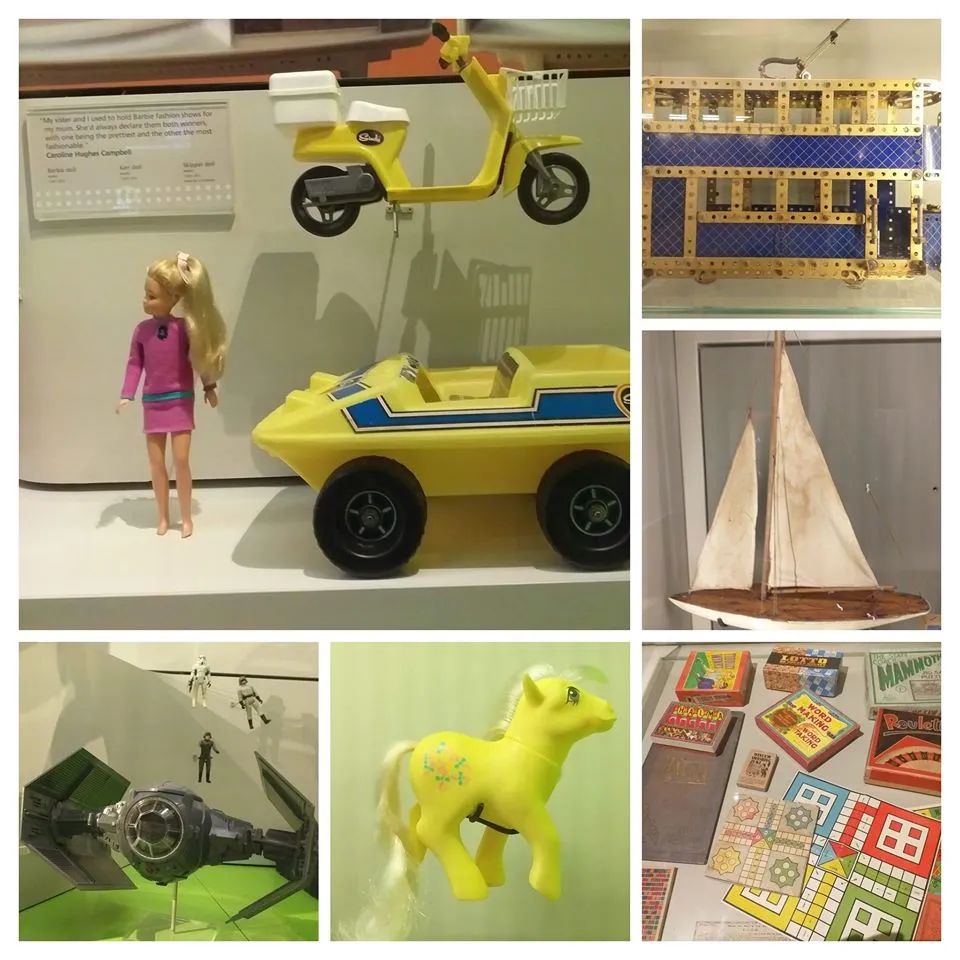
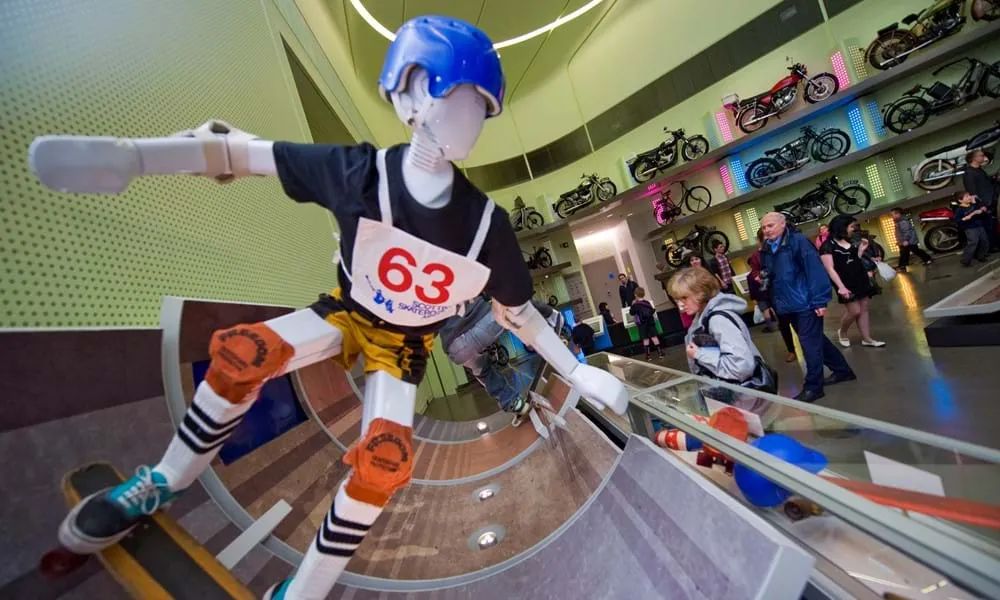
How is value ascribed to the objects from everyday life?
Heather: 它们的价值在于它们讲述的故事,人们可以从中获得的智慧以及它们在我们最重要最珍贵的日常生活中的地位。
Heather:Their value lies in the stories they tell, the wisdom that can be gained from them and their place in our culture.
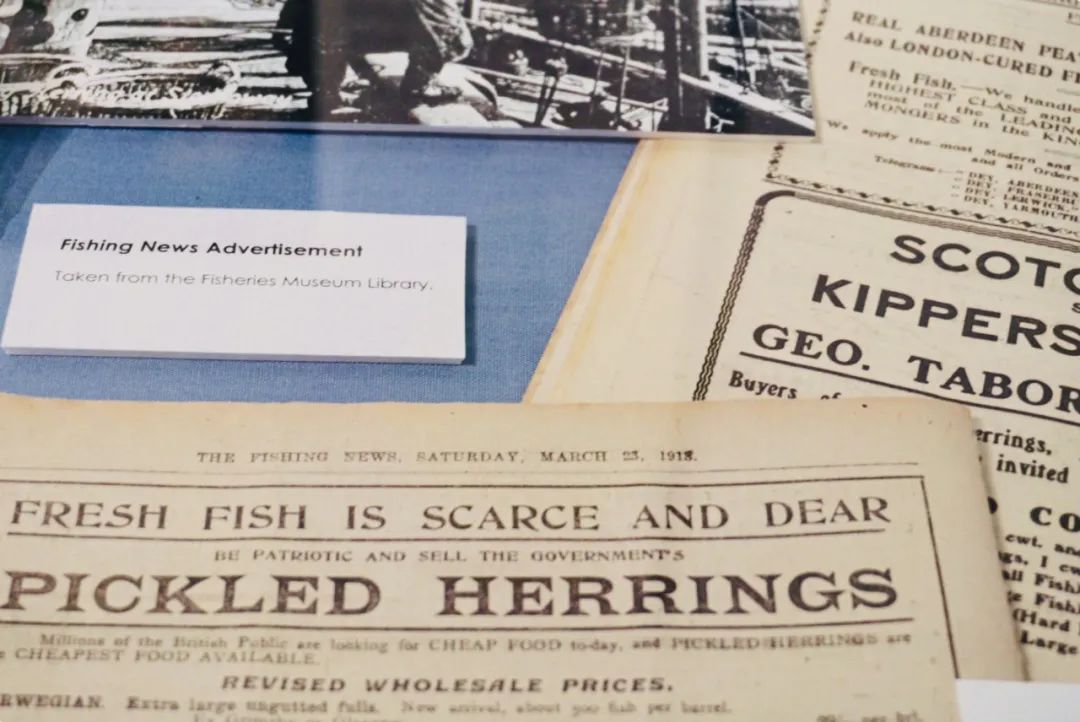
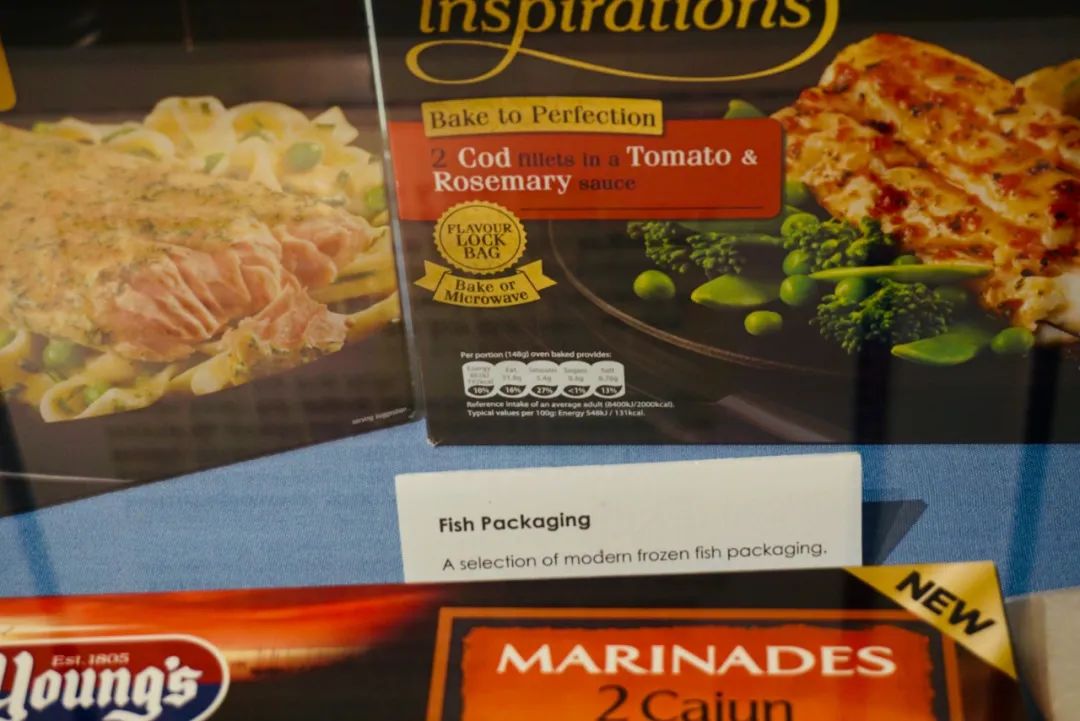
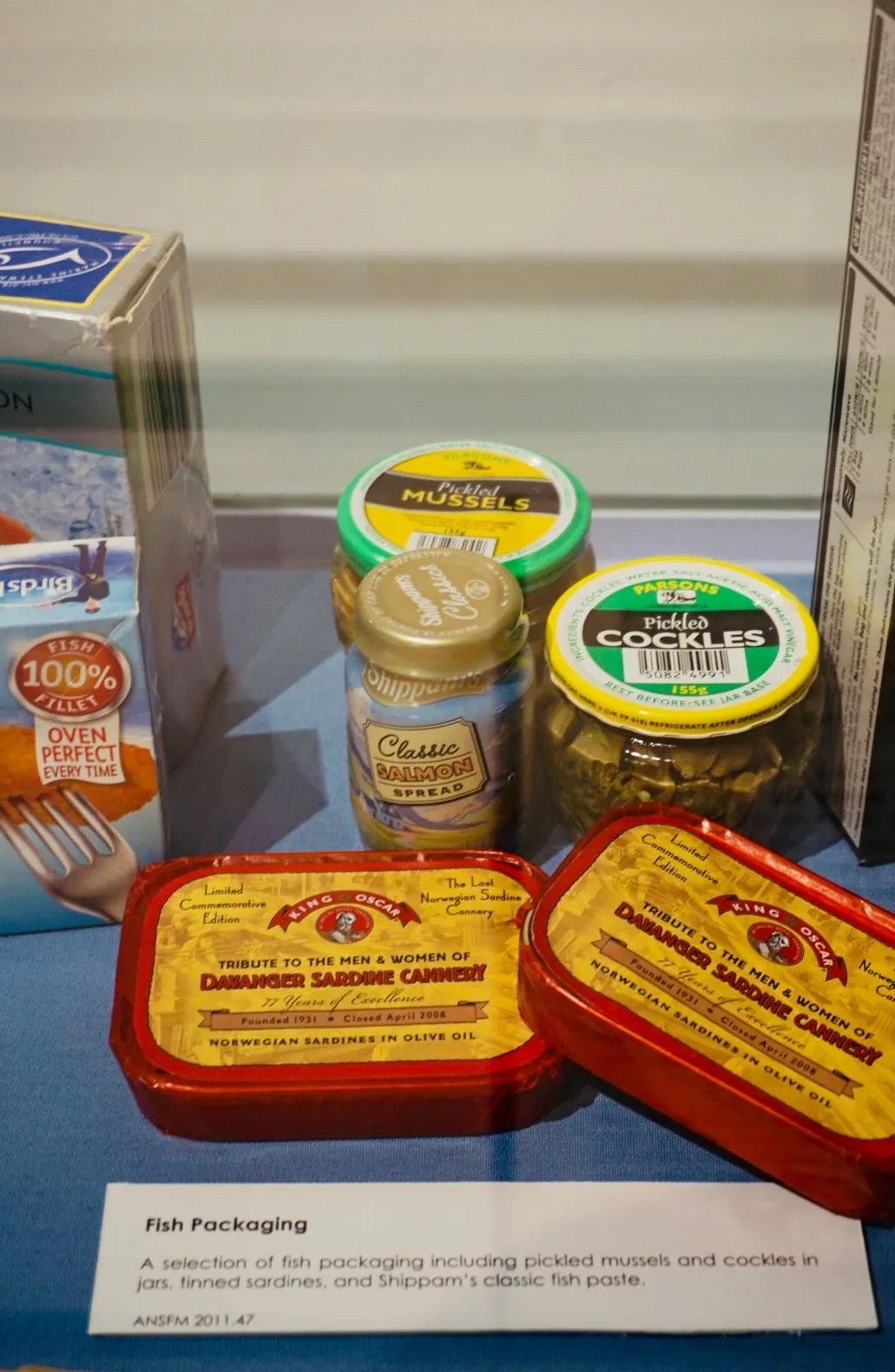
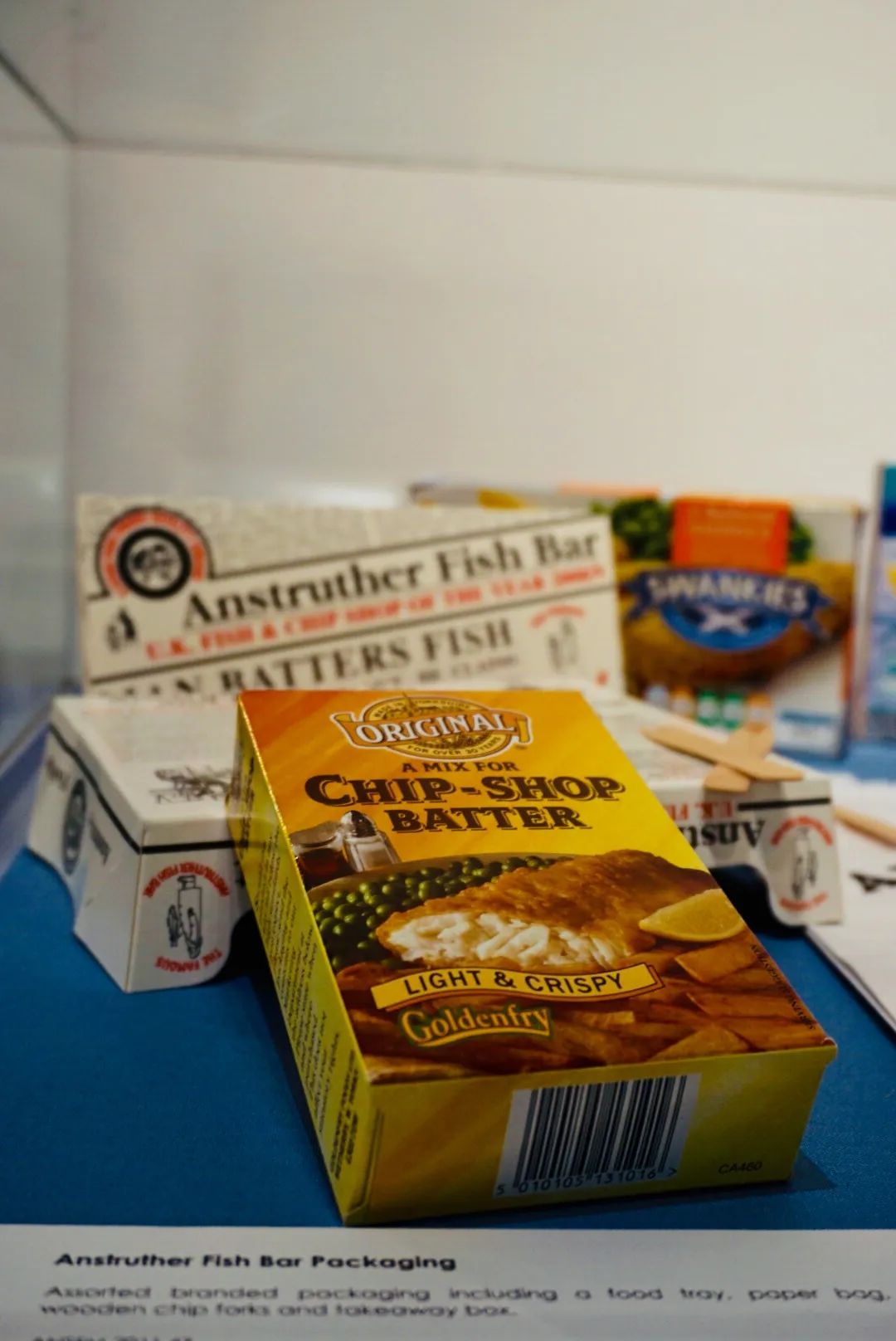
Linda: Objects are assigned value by the people who made and used then, by the people who owned them and the stories that are woven around them. The value can be very personal if the object has a relevance to a particular individual, or can become historic if it is an exemplar of a particular design innovation, was involved in a historic event, or is associated with a historical figure.
收集这些物品可以使博物馆讲出更完整和更具吸引力的故事。人们在博物馆中看到此类物品时会不自觉地为它们赋予价值,因为它们受到了博物馆的重视。然后,这使人们能够思考自己生活中相似的物件和故事,并重新珍视它们。对于更现代、更接近生活的日常物品而言尤其如此——通常只有将它们与别的什么联系在一起,或它们本身变得稀有之后,它们的价值才被认识到。将非常普通的东西放在展品底座上或玻璃盒里是一种吸引人的手段,为了邀请人们与那些通常被我们忽略、但其实也有价值的物品产生新的联系。
Linda:In the case of oral history, the people were often talking about incidents that were very personal to them but they could often be related to a wider context (e.g. their memories of World War II) which helps to build up a picture of the range of experience of ordinary people of that historic event.
Collecting such objects allows the museum to tell more complex and engaging stories. People seeing such objects on display in a museum assign value to them because they are valued by the museum. This then enables them to reflect on their own similar items and stories and assign value to these in turn. This is particularly true of more contemporary everyday objects – often their value is not recognized until they are seen in a context or until they themselves become rare. Putting something very ordinary on a plinth or in a glass case is an interesting method of drawing attention to, and inviting people to engage with, objects that would usually be overlooked.
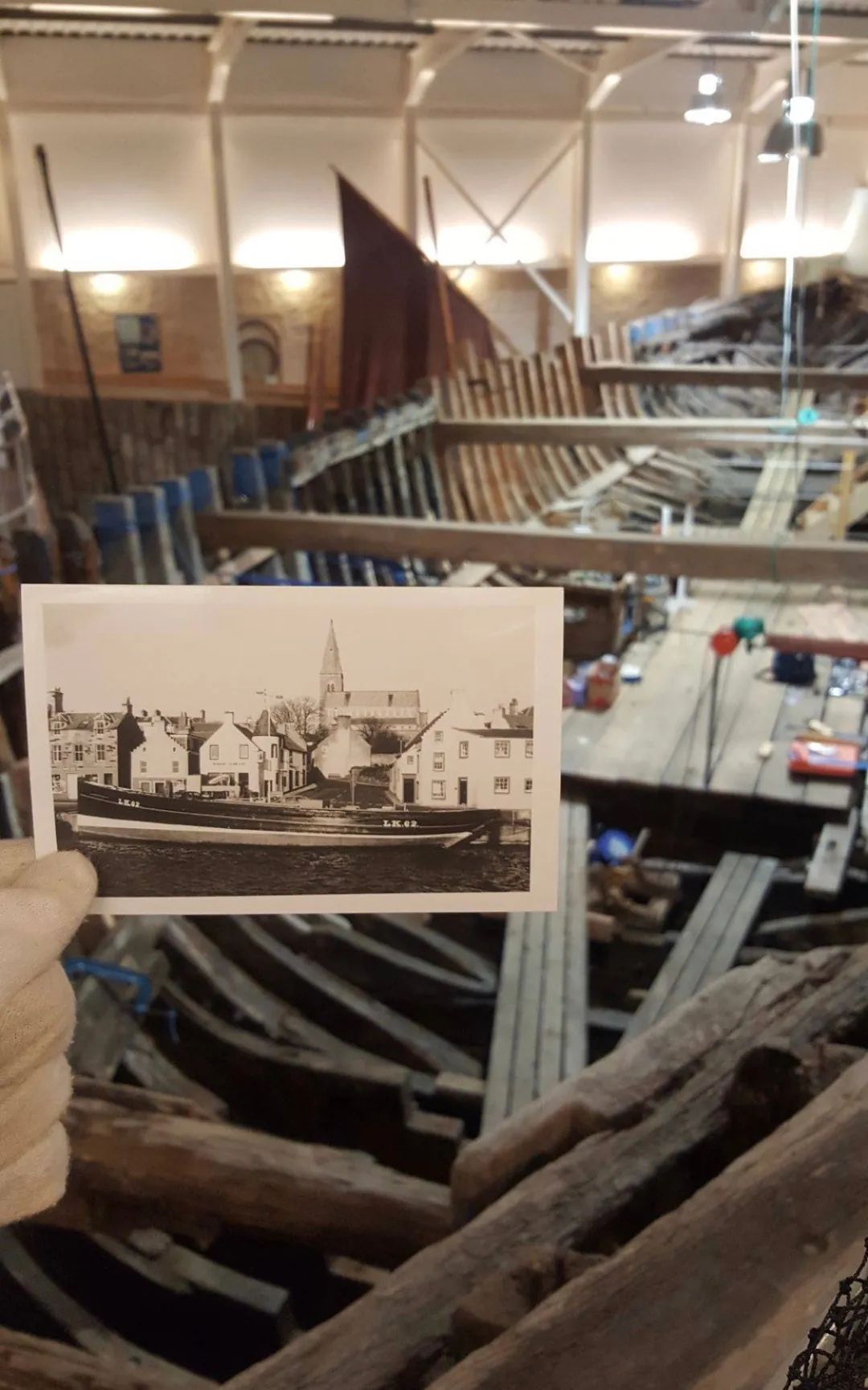
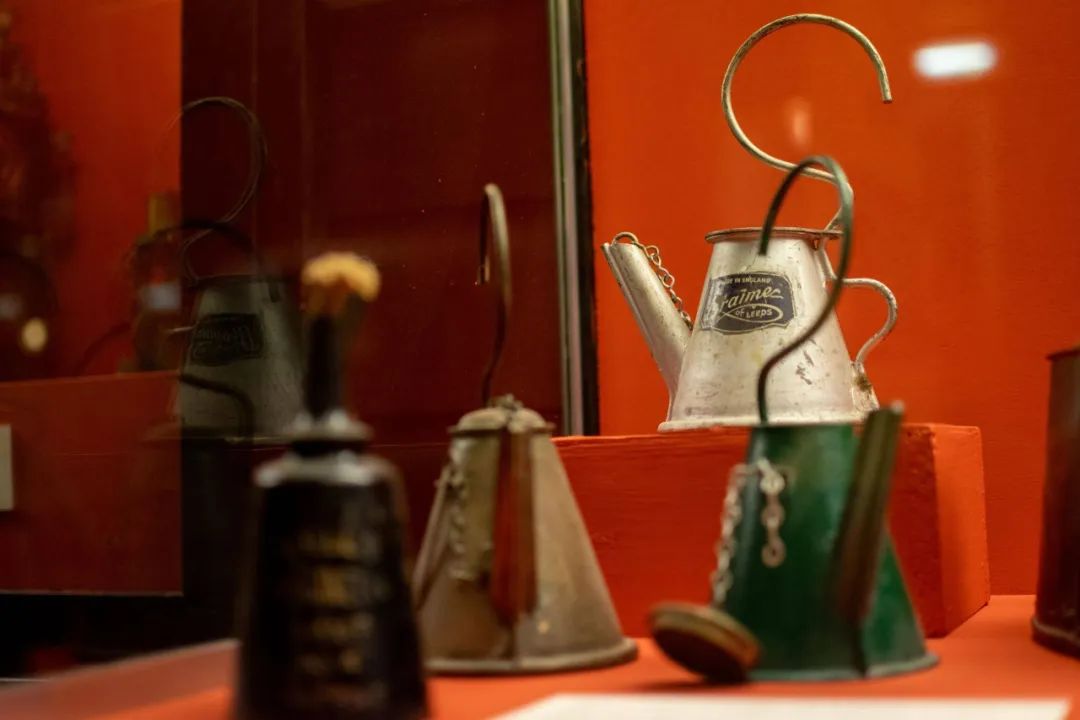
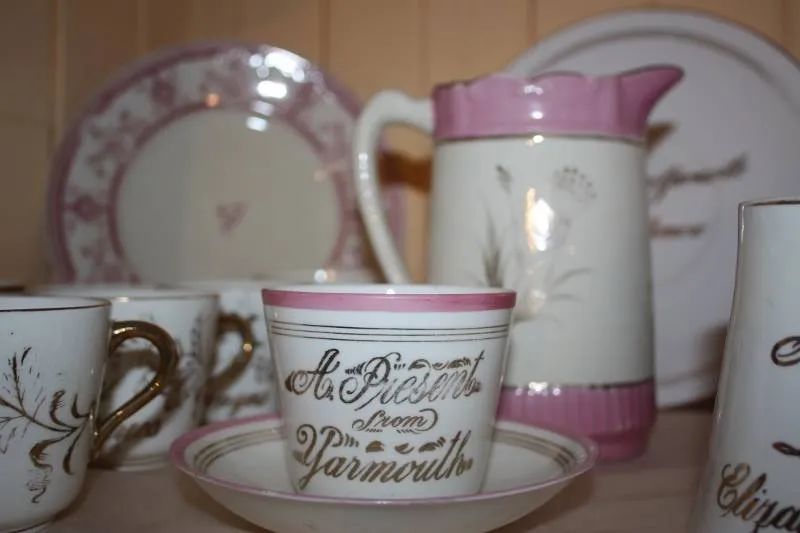
Local本地: 在你的工作中,物品入藏一般要经过哪些步骤?
What are the usual procedures for the collecting process in your work?
Heather: 如果个人或组织想直接向我们捐赠物品,则首先将它们交给负责相应收藏类别的专业策展人。如果策展人认为该物品在相应领域中具有价值(不是金钱价值,而是社会历史价值),那么他们会填写“收藏提议表”。详细描述该物品,并提供为什么该物品值得收集的策展理由。然后将表格发送至藏品保护、社教调查、藏品研究等部门。
Heather: If an individual or organization would like to donate an object directly to us then they are first directed to the specialist curator responsible for the appropriate area of the collection. If the curator feels the donation would be of value to the collection (not monetary but historical) then they complete an ‘acquisitions proposal form’. In this form the item is described in great detail and curatorial justification given as to why the object is worthwhile to collect. The form is then sent to conservation, learning and access, logistics and research.
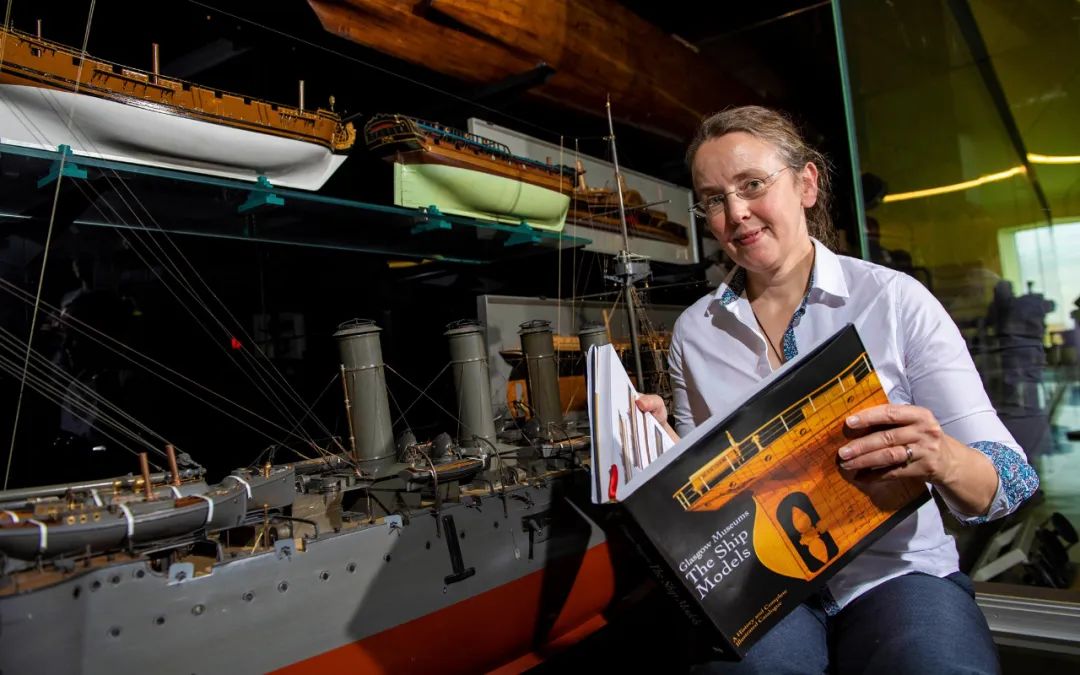
Heather: Each head of section completes a section relating to their specialism. For example, the conservator will comment on the condition of the objects, any hazards that might be present, what treatment might be required and appropriate storage conditions. Once the form has been completed by all museum departments it is sent to be considered at the next ‘Collections Committee Meeting’ where managers and senior staff consider the arguments and information put forward. They then choose to either recommend the acquisition or not. If they recommend the acquisition they forward the proposal to the head of Glasgow Museums who will give it final ‘sign-off’ or otherwise. The decision is then communicated back to the curator.
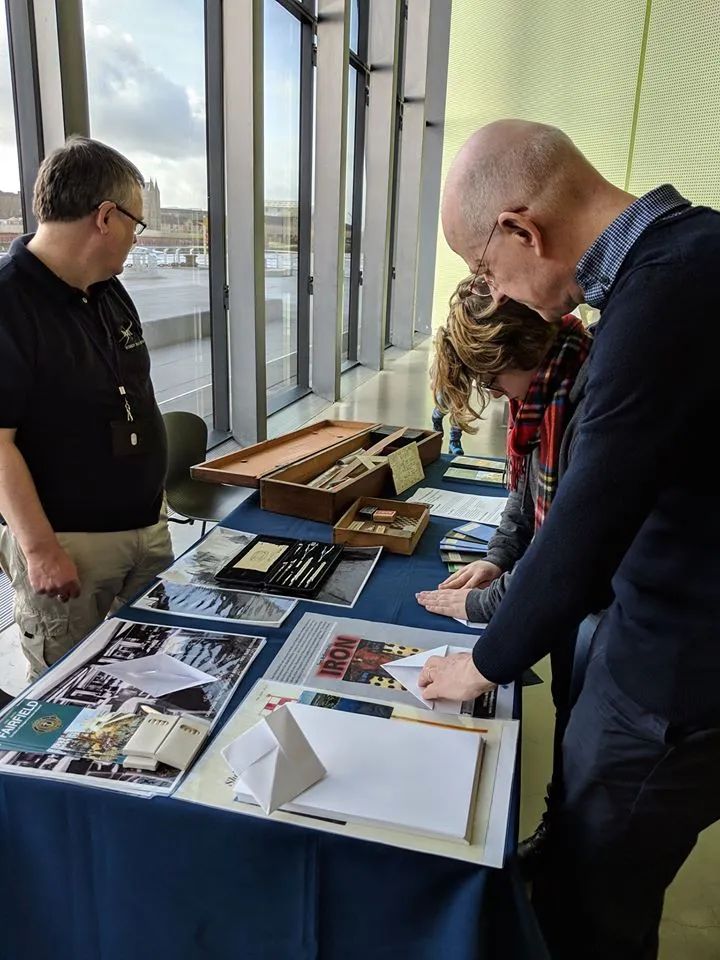
借展有一个类似的过程。但不一样的是,策展人只需要完成到借展“获得批准”这一步骤,而之后的工作就会由相应的市场或者对外合作部门来进行,起草合同、寻求藏品资源等。
如果是购买以入藏的话,除了上面提到的一般流程都要完成之外,还需要增加相关资金信息,这时候就需要财务部门来一起工作了。还有很多与收购有关的表格必须填写。
Heather: The curator must then send ‘transfer of ownership’ documents along with the Museums disposal policy to the donor who must sign two copies and have a witness sign two copies. One copy is sent back to the museum. All documents are counter signed by the curator. Once the documents have been checked, signed and witnessed an object file is created, the object is catalogued and its information added to the museums database, it is permanently marked with an accession number and sent to conservation for treatment and then finally put in stores. Finally, a gift certificate is sent to the donor.
Loans has a similar process except that once the loan has been approved the loans department draw up contracts etc. and pursue the loan rather than the curator.
A similar process again for purchases except the information about funding and so on is included and liaising with the finance department is required. Many more forms related to purchase must be completed.
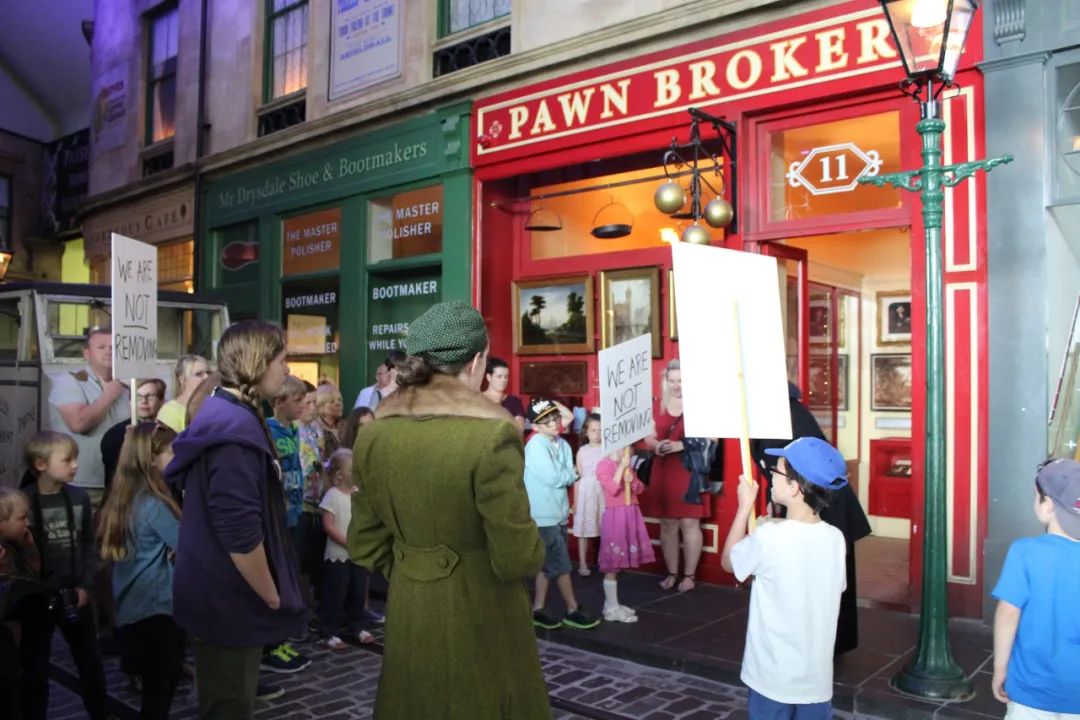
What do you think there are the best methods of collecting such objects?
Heather: 从对象选择来说的话,收集已使用过的,具有出处和故事的物品始终是理想的选择。
Heather: Collecting objects that have been used and have provenance and history is always the ideal.
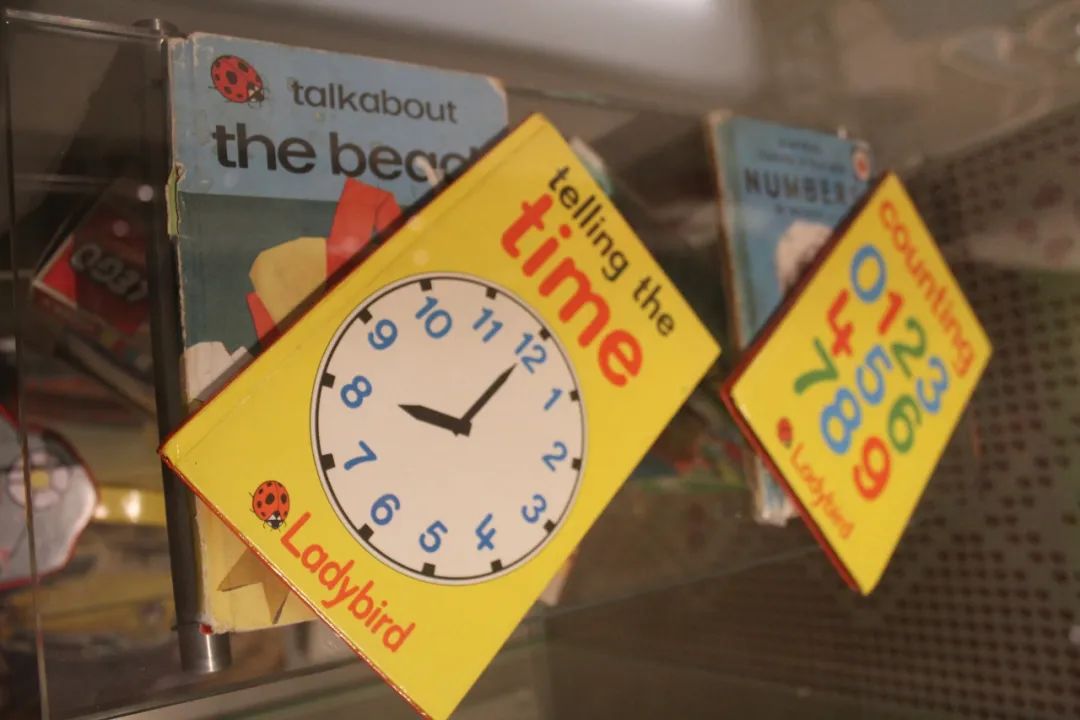
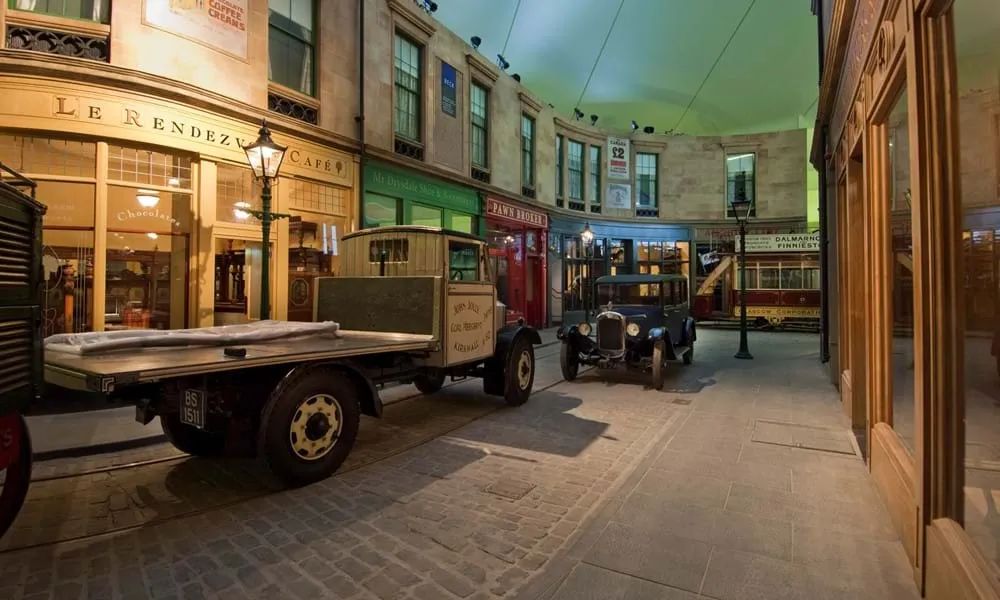
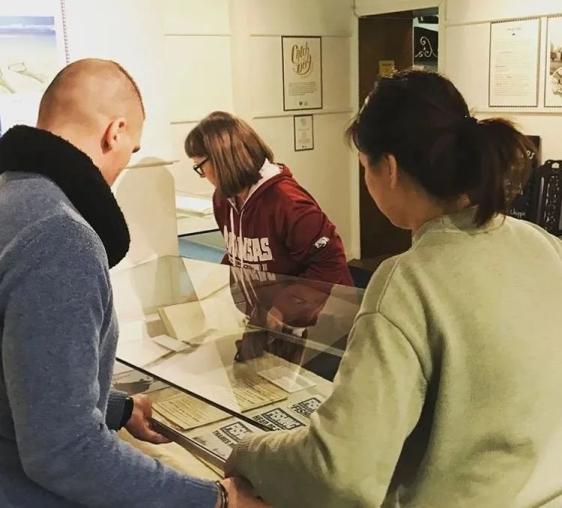
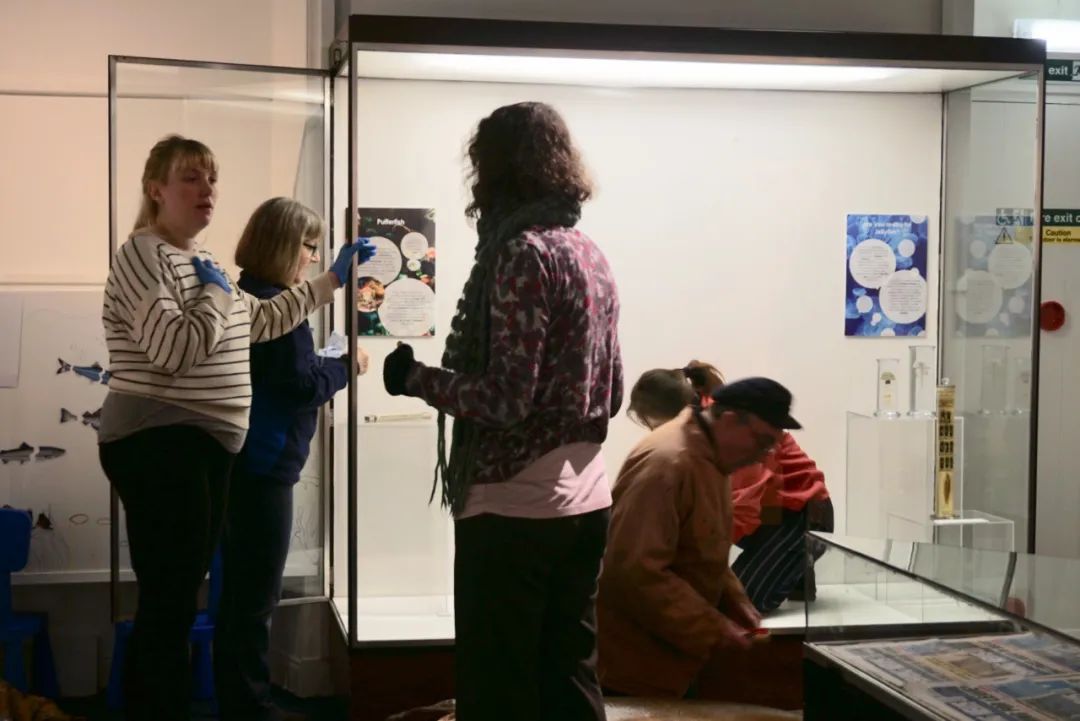
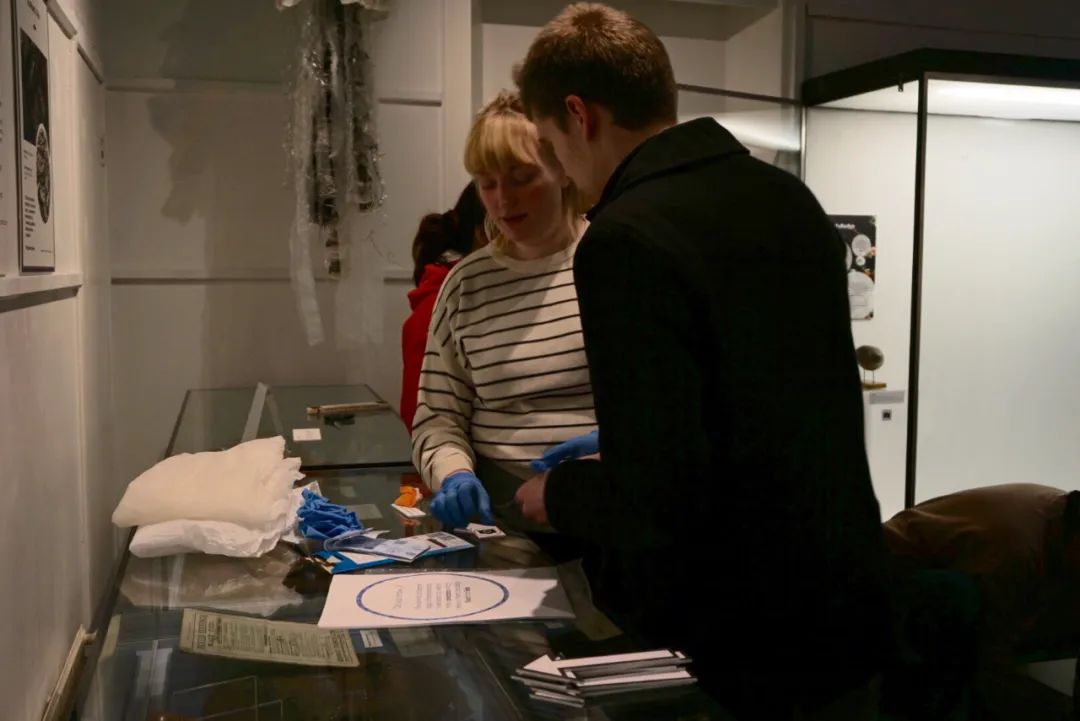
Linda: Collecting should be a partnership between museums and the communities they represent and serve. Sometimes it takes the overview of a museum professional to see the worth of particular objects, while sometimes it is the members of the public who bring items to a museum’s attention.
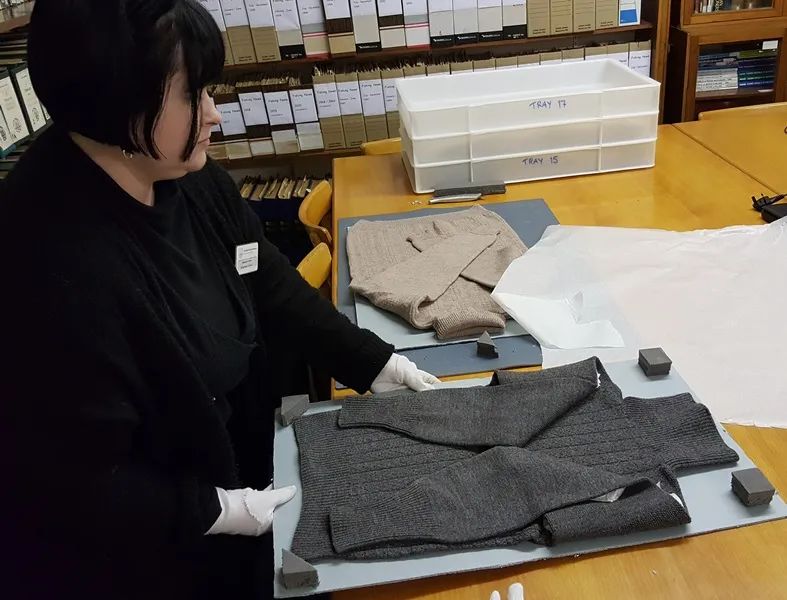
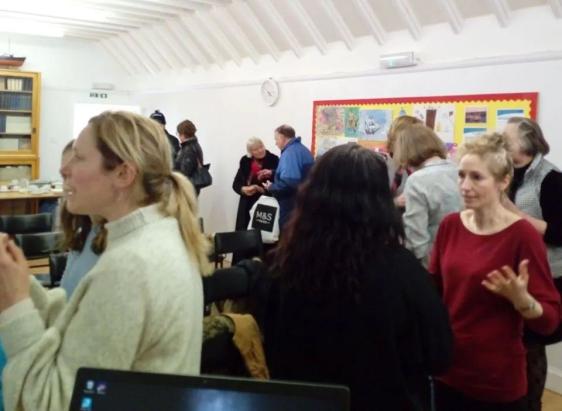
Do you think it is possible to work with non-museum professionals to collect objects from everyday life? Have you ever taken part in accessioning objects by working with non-museum professionals?
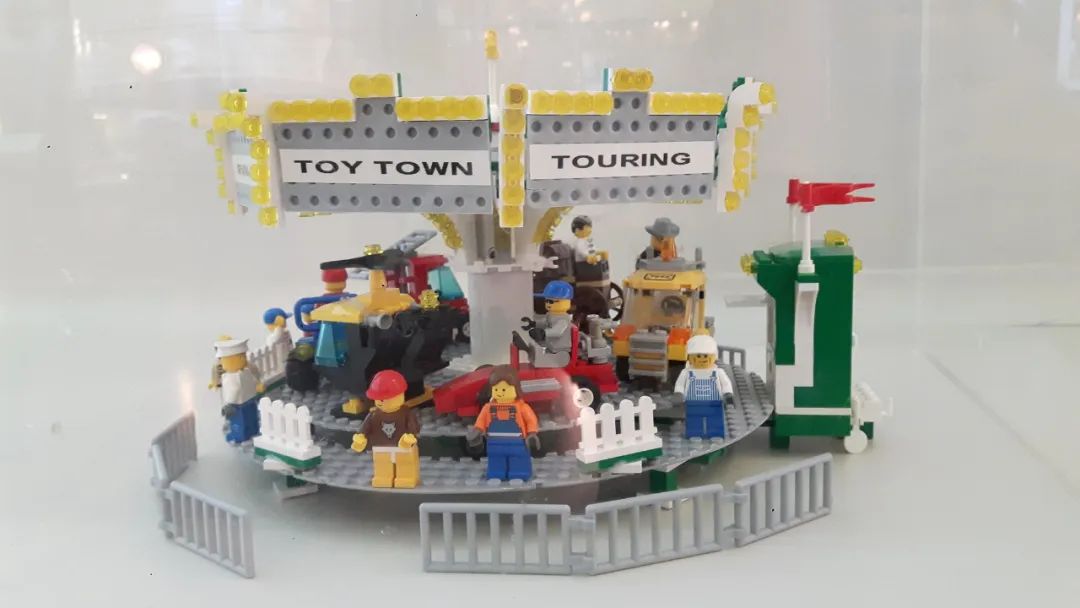
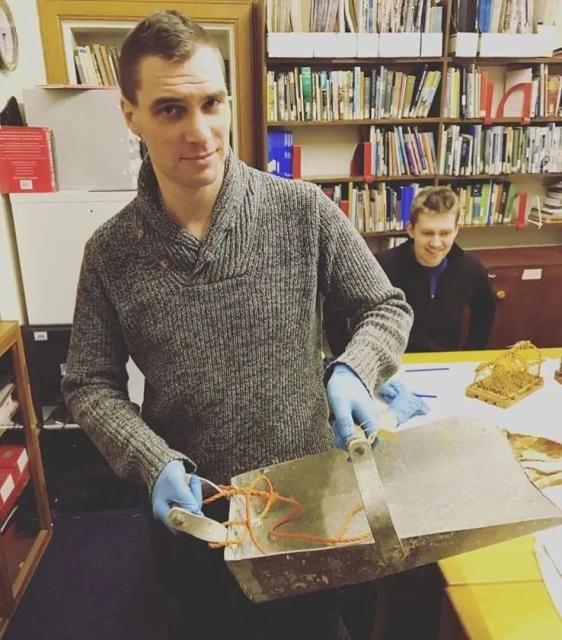
Heather: 当然。我们曾向个人购买艺术品,还委托社区制作或提供一些展品,其中包括两匹旋转木马,一辆沃尔特车和一个乐高游乐场模型。
Heather:Yes. We purchased objects such as an artwork and we commissioned objects to be made by the community including two carousel horses, a waltzer car and a Lego model of a fairground ride.
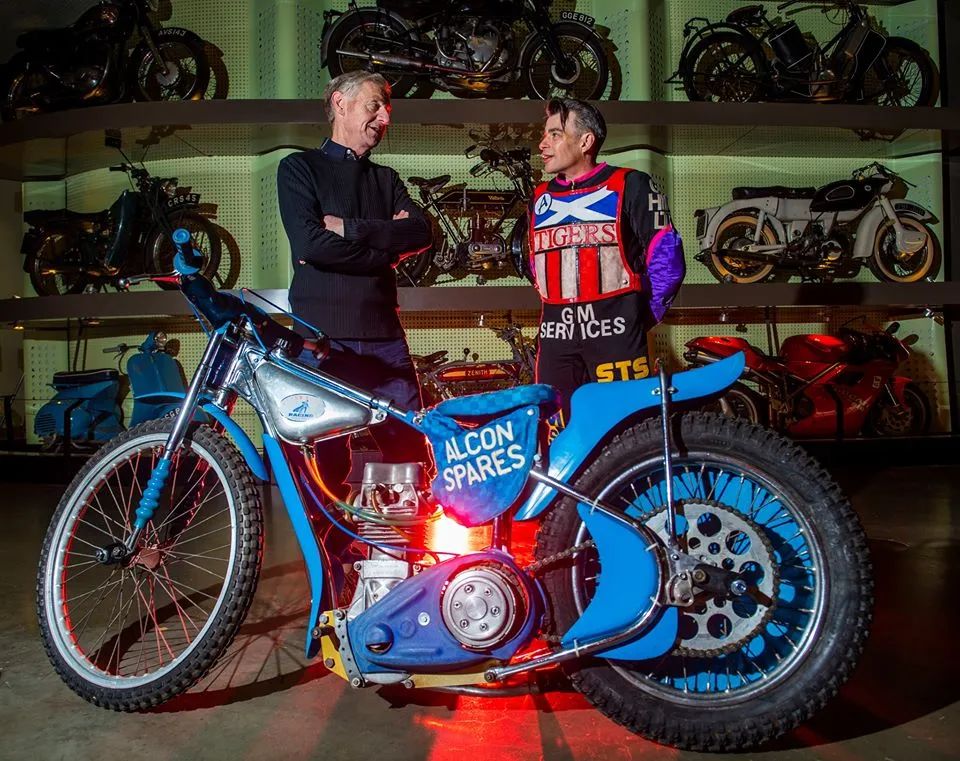
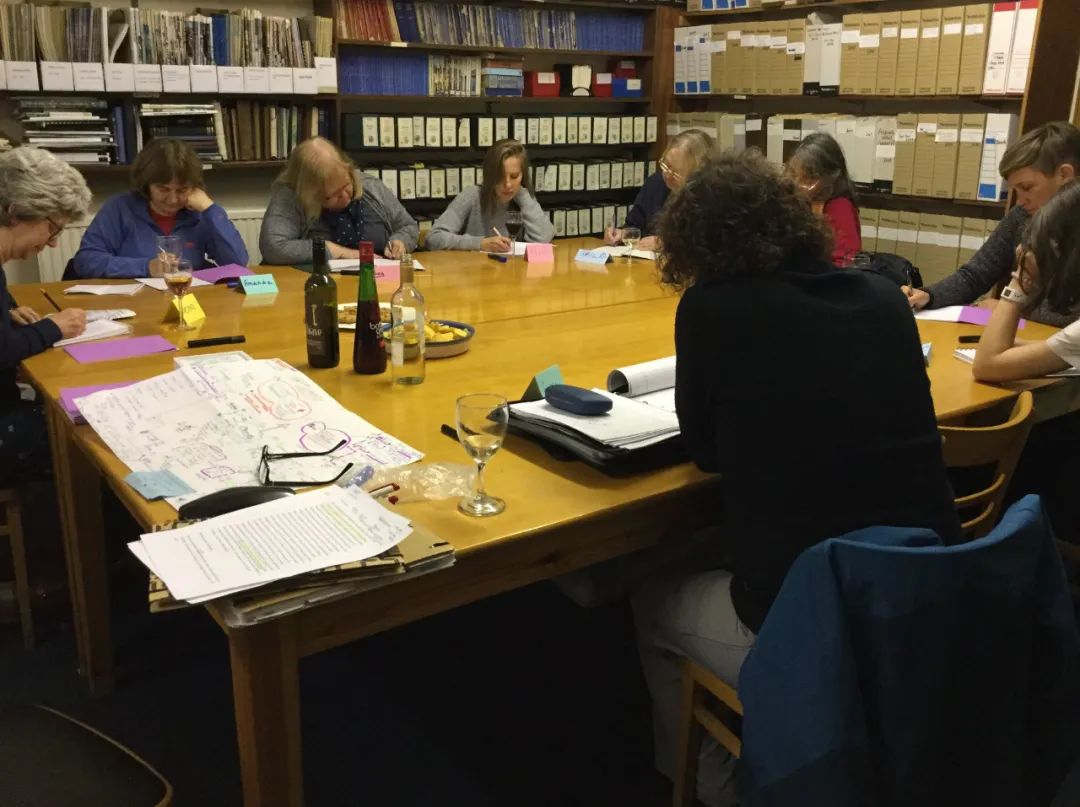
Linda: Yes. We have used volunteers to gather oral history interviews. The aim was to capture memories of the fishing industry and communities before such personal stories were lost. We realized that many people involved in the industry were becoming older and that, while we could gather statistics and information from historical sources, we would soon lose the personal perspectives of those who had lived through a period of great change. We also wanted to gather stories to use to engage people with our displays.
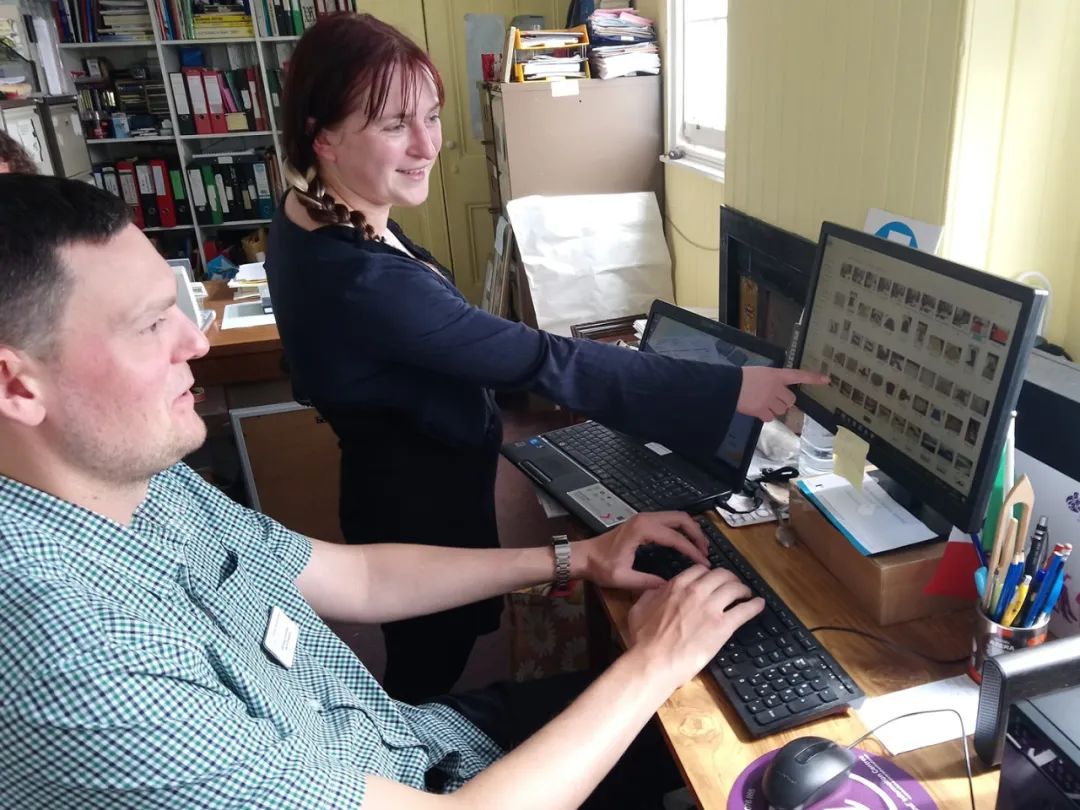
这个项目非常成功,我们现在拥有了很多口头录音,很多普通人的故事,在许多项目和研究中,它们都很重要。
Linda: Our volunteers interviewed a number of people from former fishermen to boat-builders, factory workers and others in the community so we got a breadth of views and memories. They also interviewed people involved in the early development of the museum and its collections.
The project was very successful as we now have a store of oral recordings we can use for many purposes.
Local本地: 你是如何决定要与普通人一起进行收藏工作的?
Why did you decide to work with the non-museum professionals to collect objects?
Heather: 需要承认的是,我们不具备特定社区中有关独特文化和生活方式的人们的知识,而这是博物馆所急需的。社区成员最能驾驭文化敏感性,只有他们知道在他们的文化和生活方式中最重要的物件是什么。
Heather: It was imperative that we did not assume knowledge about the community of people who have a very distinct culture and way of life. There were cultural sensitivities best navigated by members of the community and only they knew what objects were, and are, most important in their culture and way of life.
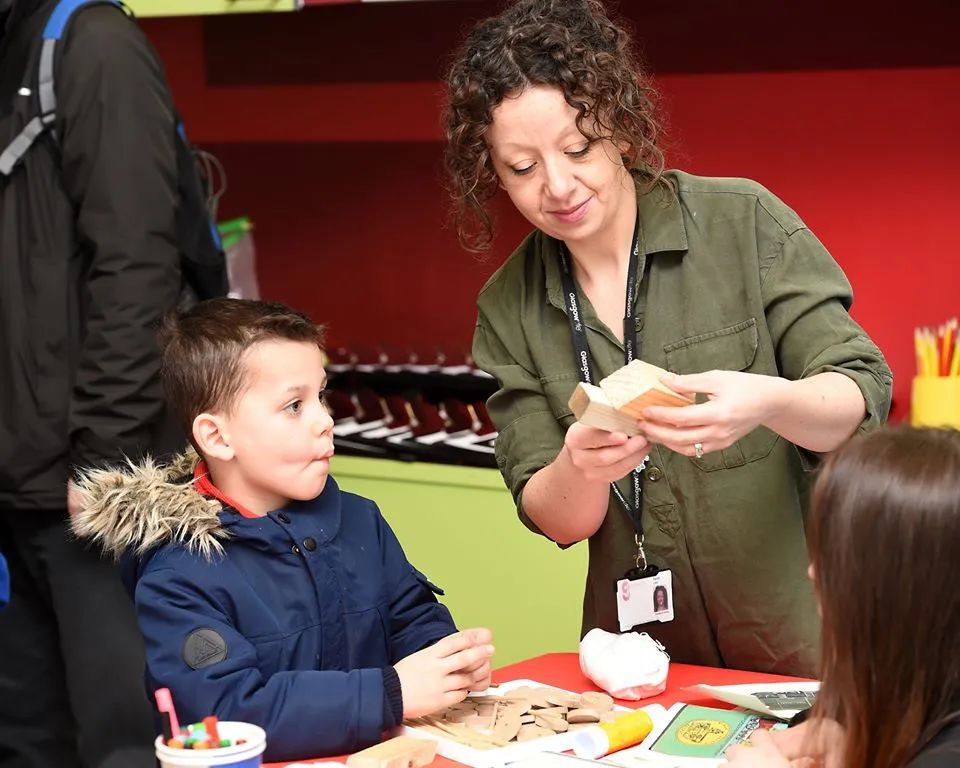
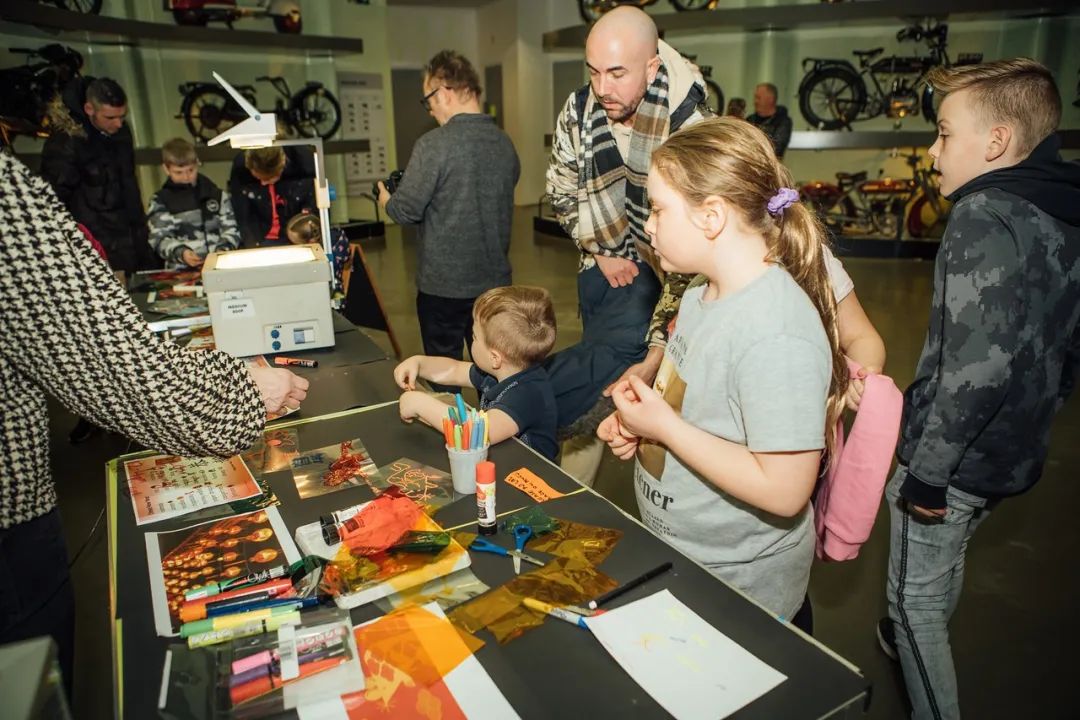
Linda: In the example, staff time was a major issue. We saw a need and the best practical way to fill it was to call on the help of volunteers. We also wanted to draw on the particular expertise and knowledge of the volunteers – although they were not museum professionals, they had a lot of specific knowledge that they could bring to the collecting projects and in which they were in some ways more qualified.
Do you think this kind of collecting project will benefit the participants?
Heather: 当然。参与者将感受到展示的主人翁感,并且他们感觉更好地参与了展览。他们对文化和社会的贡献已在博物馆中得到认可。
Heather: Sure. The participants will feel ownership of the displays and they feel better represented within the collection. Their contribution to culture and society has been recognized in museums.
Linda: It gave the volunteers more confidence in their subject matter and in their ability to undertake projects of this nature. The training and support provided by the museum ensured that they were confident that the collecting was being done in a responsible manner and that the material would be of interest for the museum collections. The project progressed and renewed their connections with the local community.