
Dalian 2026 Business Environment Quality Improvement Action Plan

Dalian 2026 Business Environment
Quality Improvement Action Plan
To thoroughly study and implement the important speeches and directives of President Xi Jinping regarding the comprehensive revitalization of Northeast China, Liaoning and Dalian, fully implement the requirements of the Provincial Party Committee and the Provincial Government on optimizing the business environment, benchmark international first-class standards, continuously build a market-oriented, law-based, and internationalized business environment, accelerate the construction of a benchmark city with a business environment that makes both local and foreign investors happy and willing to stay, and promote the high-quality development of Dalian’s “Two Pilot Zones” and “Three Centers”.

I.
Deepen Innovative Reforms in the Business Environment
We will adhere to taking the initiative to align with international standards, conduct in-depth research and comparison with the World Bank’s Business Environment Assessment Indicator System, strengthen systematic and integrated reforms, and promote the optimization and improvement of services throughout the entire life cycle of enterprises in an integrated manner.
1. Enterprise Access
We will explore and implement the reform of centralized registration of enterprise branches, realize one-window acceptance, territorial registration, and city-wide universal handling, enrich the application scenarios of electronic business licenses and enterprise codes in high-frequency government service areas involving enterprises, and explore the establishment of an inter-regional “mutual recognition mechanism” for the identities of foreign investors to facilitate the registration of foreign-invested enterprises.
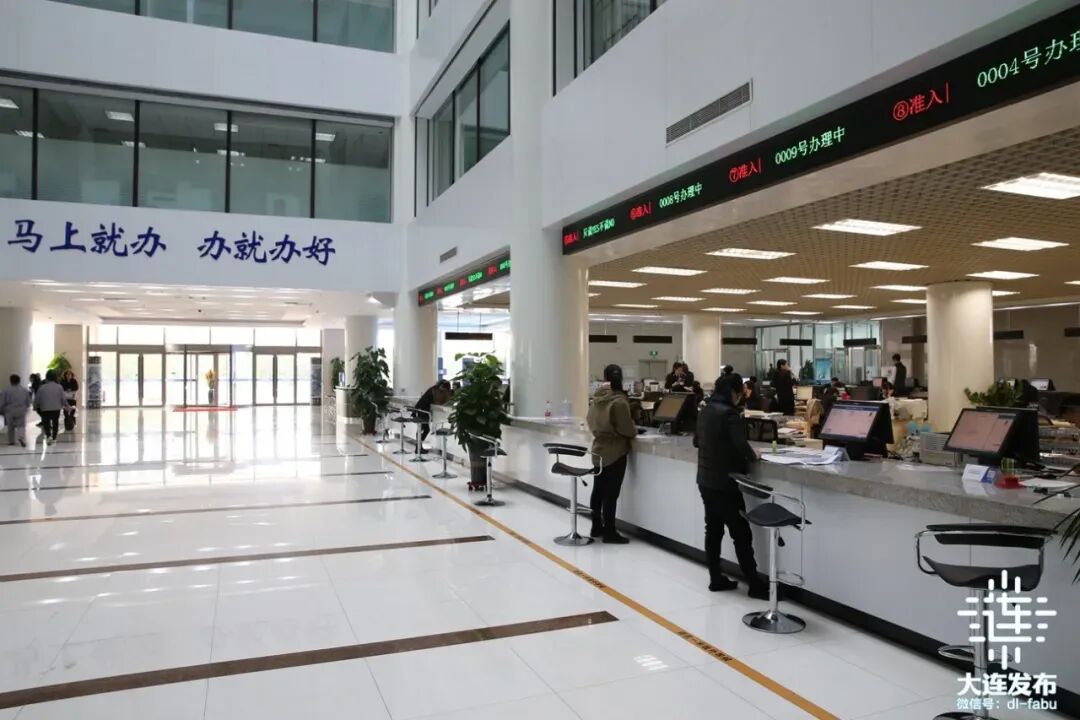
We will further advance the full-process electronation of business entity registration, realize the independent declaration of enterprise names, support the simultaneous handling of enterprise registration and enterprise name registration, and achieve the automatic generation of registration documents and articles of association as well as the checkbox registration of business scope in the form of itemized records.
We will deepen the “one license for multiple addresses” registration reform and gradually expand it to licensed business items.
2. Business Premises
We will optimize the functions of the real estate registration system, embed a preliminary registration function module in the commercial housing online signing and filing link, promote the transformation of this business from an “application-based handling” model to a “no-application required, automatic enjoyment” model, and strengthen the integration and utilization of data resources to deepen regional business coordination and linkage.
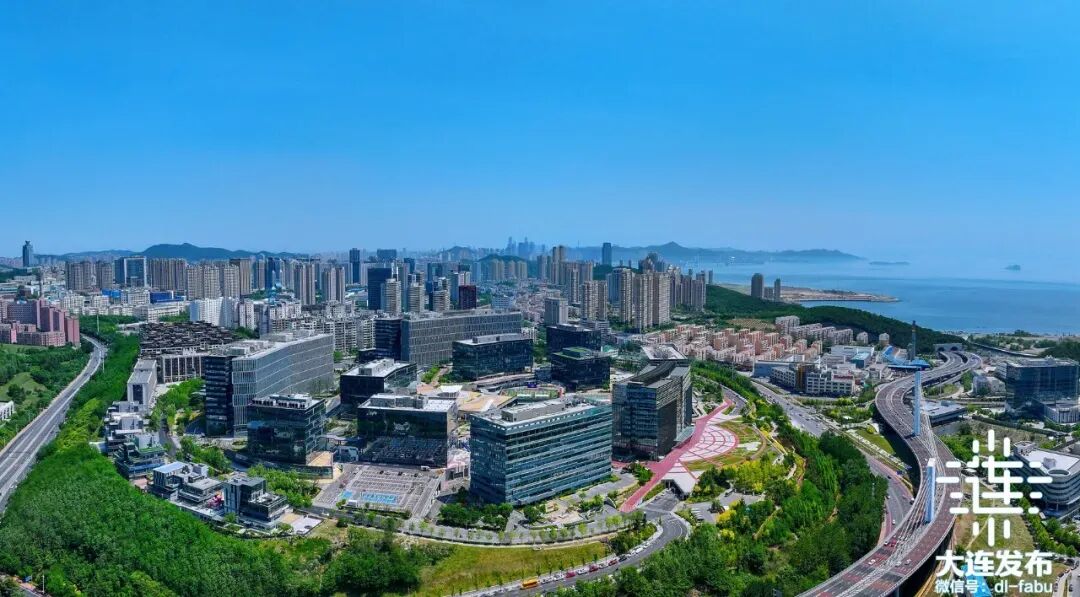
We will accelerate the advancement of “cross-provincial (inter-city) universal handling” of real estate registration among the five separately listed cities, effectively break down regional barriers, improve the convenience of handling affairs for enterprises and the general public, and centering on the goals of the urban renewal campaign, systematically sort out measures such as notification commitments and exemptions to accurately optimize relevant approval items, processes, and requirements.

We will continuously promote the revitalization and transformation of stock resources such as inefficient land use, idle real estate, and suspended or delayed construction projects, dynamically update and publicize the ecological environment zoning control and access list, implement “bundled” approval for similar projects, and in accordance with the requirements of the Ministry of Ecology and Environment’s Catalogue for the Classification Management of Environmental Impact Assessments of Construction Projects, cancel EIA approval for industries with relatively light pollution.
3. Public Utility Services
We will increase investment in power grid renovation, accelerate the construction of new distribution networks, strengthen the digital and intelligent empowerment of power grids, develop the visualization function of the “power outage plan map” to facilitate users’ quick queries, and optimize and upgrade the water supply revenue system platform to enrich the channels and functions of “fingertip inquiry and payment” of water fees.
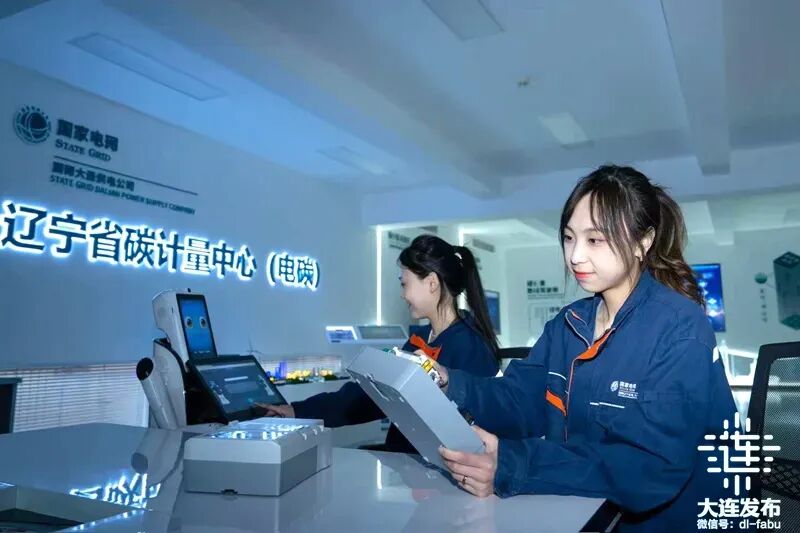
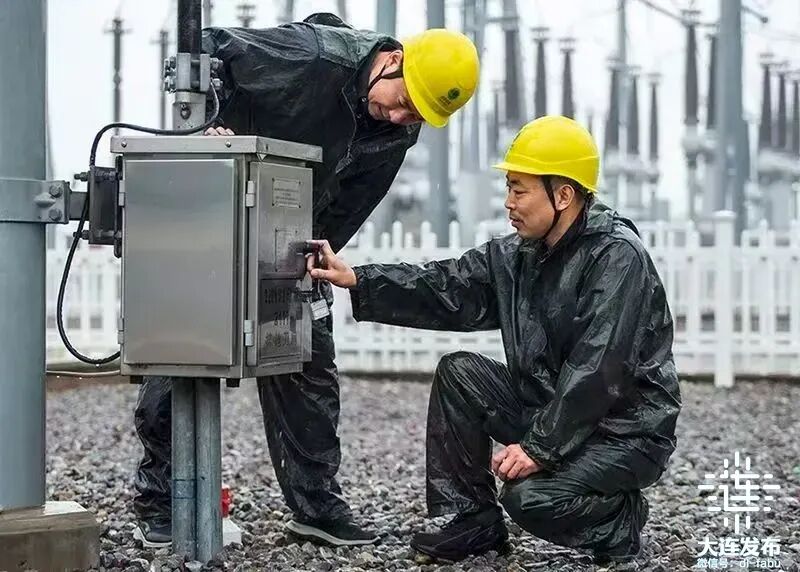
We will implement integrated handling of matters such as road occupation and excavation approval, construction waste discharge permits, and greening and landscape approval involved in water, electricity, gas, and network access projects, comprehensively optimize the road excavation plans for multiple access projects on the same road section to avoid repeated excavation, and conduct joint on-site surveys for road excavation to speed up approval processes.
We will strengthen the construction and management of communication supporting facilities, promote the equal access of telecommunications services, ensure users’ freedom of choice, explore and promote the filing and public announcement of telecom enterprise tariff rates to protect users’ right to know and right to choose, and launch special campaigns for “signal enhancement” and “broadband upgrading” to improve the 5G signal coverage in parks and commercial buildings.
4. Labor and Employment
We will actively promote the construction of the national public employment service capacity improvement demonstration project, improve the informatization level of public employment services, and strengthen the efficiency of employment services.
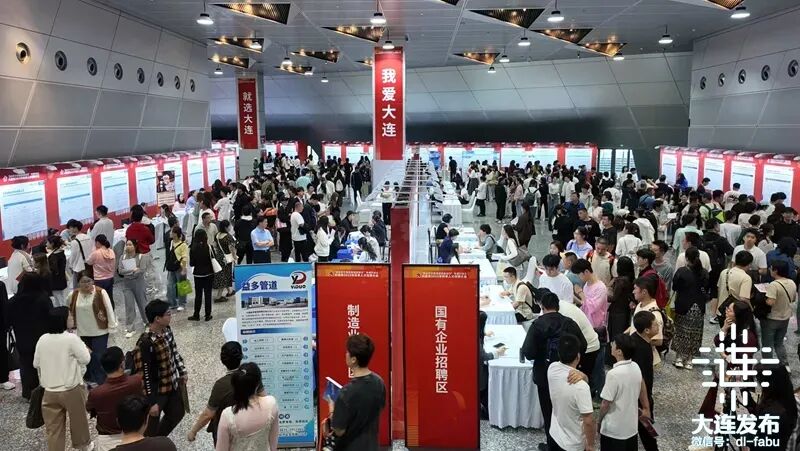
We will establish and improve the “full coverage and governance, serve the people and development, and one-stop mediation” working mechanism for labor disputes, explore the pilot construction of characteristic mediation organizations in industry associations and chambers of commerce, and continuously enhance the efficiency of multi-dimensional resolution of labor disputes.
We will deepen the construction of negotiation and coordination systems for new forms of employment workers, and promote the development of harmonious labor relations.
5. Financial Services
We will give full play to the role of “financial service stations”, regularly carry out bank-enterprise docking activities, give full play to the dual functions of monetary policy tools in terms of total volume and structure to guide banking institutions to increase credit supply, and encourage financial institutions to focus on enterprise needs to develop more distinctive, customized, and exclusive inclusive credit products.
We will improve the “Dalian Loan Code” inclusive financial service platform, enhance the efficiency of financing docking, guide financial institutions to reasonably determine interest rate levels, strengthen interest rate pricing self-discipline, and promote the steady decline of comprehensive social financing costs.

We will strengthen the information sharing among “government, enterprises, and banks”, explore the opening of public data to financial institutions in accordance with laws and regulations, vigorously develop patient capital, build an industrial investment fund matrix, further implement the “Capital Market Enhancement” project to promote the listing of enterprises, and severely investigate and punish all kinds of illegal charging behaviors in financial services.
6. International Trade
We will continuously improve the level of cross-border trade facilitation, deepen the construction of Dalian’s smart port one-stop service platform, add functions such as appointment inspection and a special column for publicizing port link charging prices, and enhance customs clearance efficiency.
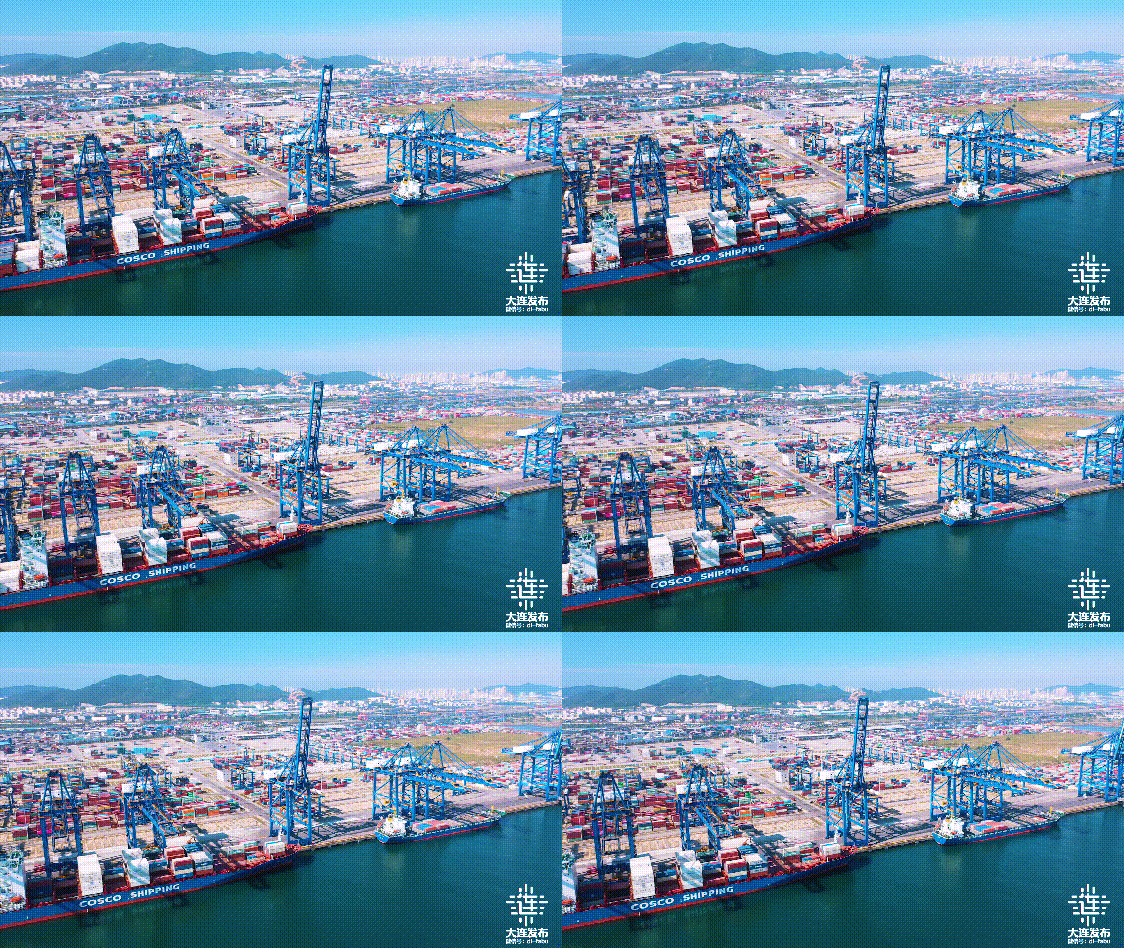
We will innovate the “regional coordinated integration” inspection and quarantine supervision model, open up the data intercommunication channel of the cross-regional pre-declaration supervision system between “place of origin and place of assembly”, and realize the rapid port collection, declaration, and export of rice assembled in Northeast China in Dalian.
We will deepen the joint boarding inspection mechanism for international navigation ships by port inspection units, realize the mutual recognition of inspection results, and encourage advantageous industries to “go global in groups” in the form of industrial chains to improve the international competitiveness of enterprises.
7. Tax and Fee Payment
We will coordinate tax law enforcement involving enterprises, reduce the number of on-site inspections of enterprises by more than 20% throughout the year, and explore the implementation of differentiated tax declaration management for tax-related professional service institutions based on credit ratings to assist in the construction of the social credit system.

We will further implement the tax refund policy for departing overseas tourists, build characteristic tax refund blocks, and realize an average annual increase of more than 10% “buy &refund immediately” tax refund stores in the city.
We will build “remote virtual windows” to achieve the “nearby handling”, “cross-regional handling”, and “national universal handling” of tax and fee businesses, and open an online dispute mediation room to resolve complex cross-departmental and cross-regional disputes and safeguard the legitimate rights and interests of taxpayers and fee payers.
8. Dispute Resolution
We will further promote the application of digital litigation services, upgrade the green litigation service channel for enterprises and the special zone for business entity services, and provide enterprises with perceptible, predictable, and reliable judicial service guarantees.
We will continue to deepen the separation of complicated and simple cases, promote the application of model litigation pleading texts and the optimization of court trials, and improve the efficiency of commercial case trials.

We will implement the municipal-level intensive management of execution affairs, increase the intensity of compulsory execution of key types of cases, improve the efficiency of execution cases, improve the multi-dimensional resolution mechanism for foreign-related commercial disputes, support commercial mediation organizations to provide professional dispute resolution services, and enhance the accessibility and professional service level of commercial mediation.
9. Market Competition
We will carry out special rectification of illegal and irregular behaviors in government procurement, upgrade Dalian’s integrated government procurement supervision and transaction platform, integrate the electronic contract signing function, and realize a full-chain digital closed loop from bidding and tendering to contract signing.
We will strengthen the auxiliary application of technologies such as big data and artificial intelligence, promote the connection between the transaction platform and the provincial business entity information database, realize “one-time entry, province-wide general use” for business entities, strictly implement the fair competition review system, and study and issue the Full-Process Operation Guidelines for Fair Competition to improve the quality and efficiency of reviews.
We will strengthen anti-unfair competition law enforcement, severely crack down on unfair competition behaviors such as false advertising, passing off and confusion, and commercial defamation, further rectify involutionary competition to ensure that all types of business entities participate in market competition fairly, and coordinate and regulate the algorithm recommendation services, online information content, and network security of local platform enterprises to guide and promote their standardized and safe development.
10. Corporate Insolvency
We will explore the establishment of a robust insolvency framework suited Dalian’s local context, enhancing coordination and interplay in handling insolvency-related affairs, and further enhance the efficiency of insolvency case proceedings.
Strengthen the inter-communication and sharing of insolvency information, promote the online registration service for insolvency practitioners, fully disclose the information of insolvency administrators and intermediary institutions, and improve the efficiency of handling insolvency affairs.

We will optimize supporting mechanisms for insolvency, establish a registration system for restrictions on individuals associated with insolvency enterprises.
We will deepen the differentiation between complex and simple insolvency cases to ensure swift handling of straightforward cases.
Additionally, we will enhance the integration of enforcement and insolvency procedures to facilitate the expedited clearance of “zombie enterprises”.
II.
Deepening the Precision-Oriented Construction of Enterprise-friendly Policies
We will ensure that all policies are practical, effective, and swiftly delivered to beneficiaries.
By focusing on the needs of industrial development and enterprises, we will roll out a set of distinctive, high-value policy documents suited Dalian’s context. Furthermore, we will optimize the full-cycle service covering policy formulation, release, and evaluation, aiming to foster a comprehensively favorable policy environment.
1. Improve the Policy Formulation Mechanism
(1) Enhancing the effectiveness of policy services.
Conduct consistency assessments of the macro‑policy orientation for both economic and non‑economic policies to strengthen the coordination of enterprise-related policies. Furthermore, statutory reviews will be implemented for major administrative decisions and normative administrative documents, while existing enterprise-related laws, regulations, normative documents, and policies are to be systematically reviewed in order to improve their effectiveness.
Additionally, the participation mechanism for entrepreneurs and small and medium-sized enterprises in the formulation of enterprise-related policies will be refined, encouraging a constructive environment for business feedback and suggestions.
(2) Improving the effectiveness of policy interpretation.
Policy interpretation should center on the key elements of enterprise-friendly policies, utilizing a range of accessible formats such as infographics, animated videos, live Q&A sessions, and case analyses to deliver differentiation and demassification explanations.
Both online and offline channels, including government websites, government new media, commercial buildings, and industrial parks, will be integrated to organize activities like “Government–Enterprise Dialogues: Zero‑Distance Policy Access” and “Policy Explained by Director”.
These efforts aim to expand the scope and deepen the impact of policy interpretation.
(3) Strengthening the assessment of policy effectiveness.
An evaluation system for policy implementation outcomes, centered on the feedback of business entities, will be established.
Scientific assessment will be conducted with support from third-party institutions to form a closed-loop mechanism encompassing appraisal feedback, result application, and dynamic adjustments.
This approach is designed to ensure the practical effectiveness of policies.
2. Strengthening Legislative Guarantees for the Business Environment
(4) Implementation and refinement of business environment regulations.
We will thoroughly implement the Regulation on Optimizing the Business Environment and the Regulation of Liaoning Province on Optimizing the Business Environment, while further specifying and carrying out the Dalian Municipal Regulations on Serving Market Entities.
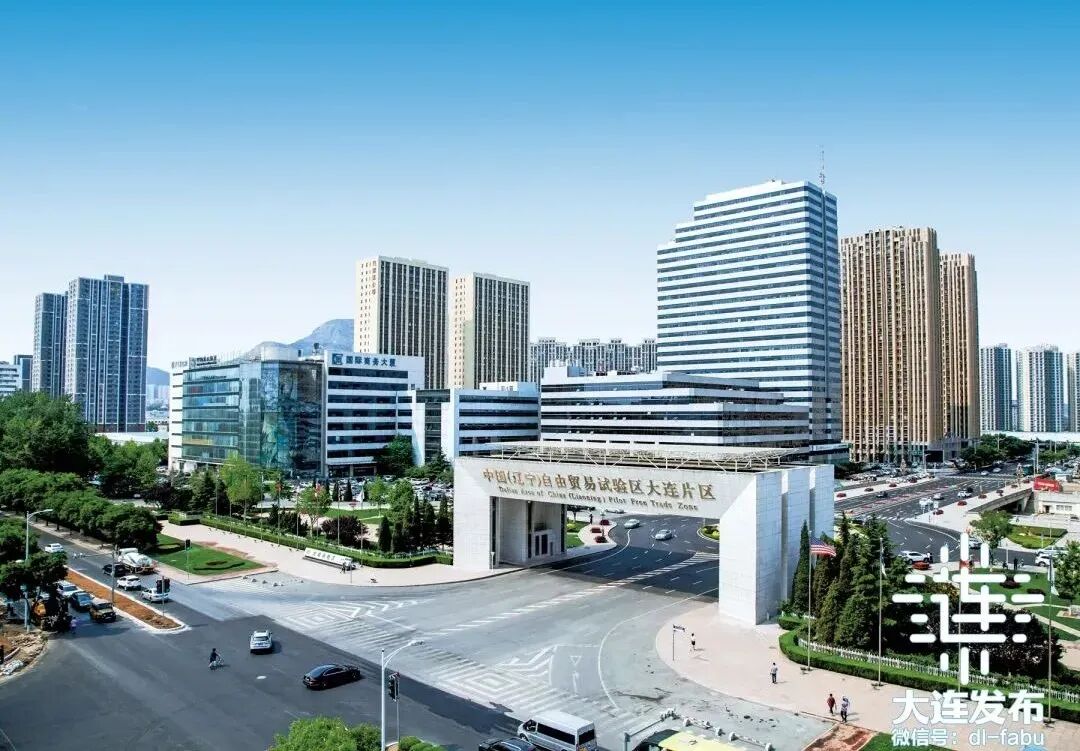
Our efforts aim to deliver a set of reform experiences and innovative outcomes in the practice of improving the local business climate.
(5) Promoting legislation in key areas.
In-depth research will be conducted to identify legislative needs in key areas of the business environment that are closely linked to the production and development of market entities.
Efforts will be accelerated to formulate and promulgate regulations such as the Dalian Municipal Regulations on Urban Renewal, the Dalian Municipal Regulations on the Safety Management of Fishing Vessels, and the Dalian Municipal Regulations on the Authorized Operation of Public Data, thereby strengthening legislative support in critical fields.
3. Ensuring Targeted and Direct Delivery of Policies
(6) Targeted fulfillment of pro-business policies.
The Dalian Enterprise Service Cloud Platform will be optimized to fully aggregate and systematically deconstruct all relevant policies, establishing a city-wide “policy supermarket”.
Business system integration will be enhanced by connecting the municipal “One-Network Coordination” system with the Enterprise Service Cloud Platform. This integration will enable the one-click release and display of pro-business policies across all sectors citywide.
Clear standards, timelines, and requirements will be defined for each stage of the policy process—application, acceptance, review, and fulfillment—ensuring services are completed with “a single application, fully online processing, and rapid fulfillment”.
These efforts aim to expand the implementation of policies and funds under the models of “be readily and swiftly accessible with no requirement”
(7) Enhancing the intelligent tax alliance service mechanism.
The “Intelligent Tax Alliance” mechanism, which proactively matches policies with enterprises, will be fully implemented.
An intelligent matching system will be established to align tax-related policies with corporate needs, creating a new policy service pattern with a whole chain of “online intelligent push, offline thematic interpretation, and personalized professional consultation”.
This approach is designed to continuously enhance the sense of policy benefit and satisfaction among enterprises.
III.
Advancing the Construction of a Fair Market Environment
We will foster a better institutional environment that enables SOEs to take new initiative, private companies to break new ground and foreign companies to make new investment.
By focusing on the innovation and growth needs of market entities, we will work to ease their burdens, unleash their vitality, and cultivate a fair and well-ordered market environment.
1. Supporting the Construction of a Unified National Market
(1) Removing market access barriers.
The nationally unified Market Access Negative List and the Foreign Investment Access Negative List will be strictly implemented to ensure full adoption of the policy of “entry unless on the list”.
Regular screenings will be conducted to identify market access barriers, with clues collected through multiple channels, enabling a comprehensive investigation and systematic removal of both explicit and hidden barriers in market access procedures.
A market access effectiveness evaluation will be launched to “drive improvements through assessment” and enhance the efficiency of market access services.
(2) Regulating and rectifying the charges and fees levied on business.
The Dalian Municipal List of Government-set Fees for Enterprises will be updated dynamically to ensure comprehensive coverage of all government-set charges across all industry authorities.
Focusing on key areas such as administrative approval intermediaries, industry associations, and public utilities (water, electricity, and gas), a specialized campaign will be conducted to address arbitrary and non‑standard fees imposed on businesses, with the aim of further standardizing all charge‑related practices.
(3) Fostering the growth of self-employed individuals.
We will select and support “special, high‑quality and new” individual businesses to achieve growth both expanded output and better quality. Differentiated and targeted assistance will be provided to “growth‑oriented” and “development‑oriented” individuals.

For those recognized as “special, high‑quality and new” individuals personalized demand registries will be established to help address their specific challenges.
Furthermore, we will expand the application scenarios of credit evaluation for individual businesses, encourage integrity‑based operations, and support their expansion and strengthening.
2. Enhancing the Effective Supply of Production Factors
(4) Improving the effectiveness of financial services.
The coordination mechanism for supporting financing to small and micro enterprises will be further strengthened, with government-bank-enterprise matching activities organized to provide targeted support for legitimate financing needs.
Financial innovation in key industrial chains will be advanced by implementing “one set of policy for one industrial chain” measures, guiding financial institutions to develop tailored products for new technologies, emerging sectors, and innovative markets.
The foundational Dalian Credit-Easy Loan Platform will be upgraded, encouraging financial institutions to lawfully utilize various types of enterprise credit information to create diversified credit-based loan products and broaden corporate financing channels.
Financial institutions will be supported in introducing patent technology valuation systems to establish an intellectual property financing model characterized by “local government guidance, bank innovation, and alliance support”, thereby enhancing financing efficiency for science and technology innovation enterprises.
(5) Improving the talent service system.
Talent policies will be optimized and refined to enhance their relevance, precision, and implementation effectiveness.
We will continue to carry out the “Campus Visits for Young Scholars to Dalian” initiative, with a focus on key universities in the “Liaoning Province, Jilin Province, Heilongjiang Province and Inner Mongolia Autonomous Region” while extending outreach to other regions as needed.
Key enterprises will be supported in establishing long-term talent recruitment partnerships with targeted universities and departments. By 2026, the city aims to attract and retain over 100,000 young talents, including university graduates, to accelerate the development of a youth-friendly city.

Platforms such as the “Overseas Students Entrepreneurship Week” will be leveraged to gather innovation and entrepreneurship talents, strengthen connections among innovation, startup, and investment resources, and foster a robust industrial ecosystem.
Efforts will also be made to explore the establishment of entrepreneurship service platforms that offer one-stop startup coaching, policy support, and facilitation services.
(6) Reducing comprehensive logistics costs.
We will promote the differentiated charging policy for container trucks entering and exiting ports, and expand the “Single-Bill” service model for multimodal transport.
Make every effort to advance the construction of the Guinea Simandou China Port tertiary crushing project at Dalian Port’s ore terminal and upgrade the supporting port facilities, aiming to establish a “doorstep mine” business model for steel enterprises and help them broaden raw material procurement logistics channels.
Leveraging the advantages of Dalian Port’s specialized storage and transportation facilities, we will build a green methanol transfer and bunkering center to meet the growing demand for green fuel from leading international shipping companies.
We need to upgrade the international logistics public information platform to achieve electronic shipping instructions, thereby reducing logistics costs.
3. Unleash the New Growth Drivers of Data as a Factor of Production
(7) Strengthen public data supply.
We will continue to advance the registration of public data to consolidate the foundation of public data resources, ensuring that all public data resources and products are registered as comprehensively as possible.
We will deepen the authorized operation of public data, continuously expand its application scenarios, and explore innovative models such as the data-driven economy, thus introduce a range of public data products with distinctive Dalian characteristics.
(8) Promoting data circulation and utilization.
We will advance the pilot construction of national data circulation and utilization infrastructure, facilitate the integration of relevant entities and data products into the pilot platform, explore the integration of privacy computing and blockchain technologies, and drive innovation in collaborative data processing technologies.
IV.
Deepening the Intelligent Development of Enterprise-Related Services
We must adhere to aligning what the government can provide with what enterprises need, strengthen data empowerment and user-centric thinking, and deliver proactive forward-positioning services, timely follow-up services, and precise refined services to create an efficient and convenient administrative environment.
1. Enhancing the Quality and Efficiency of Government Services
(1) Deepening “efficiently accomplishing one thing”.
We need to implement a regular advancement mechanism for key tasks under the “Efficiently Accomplishing One Thing” initiative, build a full lifecycle service system for businesses and individuals, and reform services to be proactive, forward-leaning, and refined.
We will expand the rollout of more “one thing” scenarios for application, extending from “one thing” to “a category of things”, continuously improving online processing efficiency and the quality of government services.
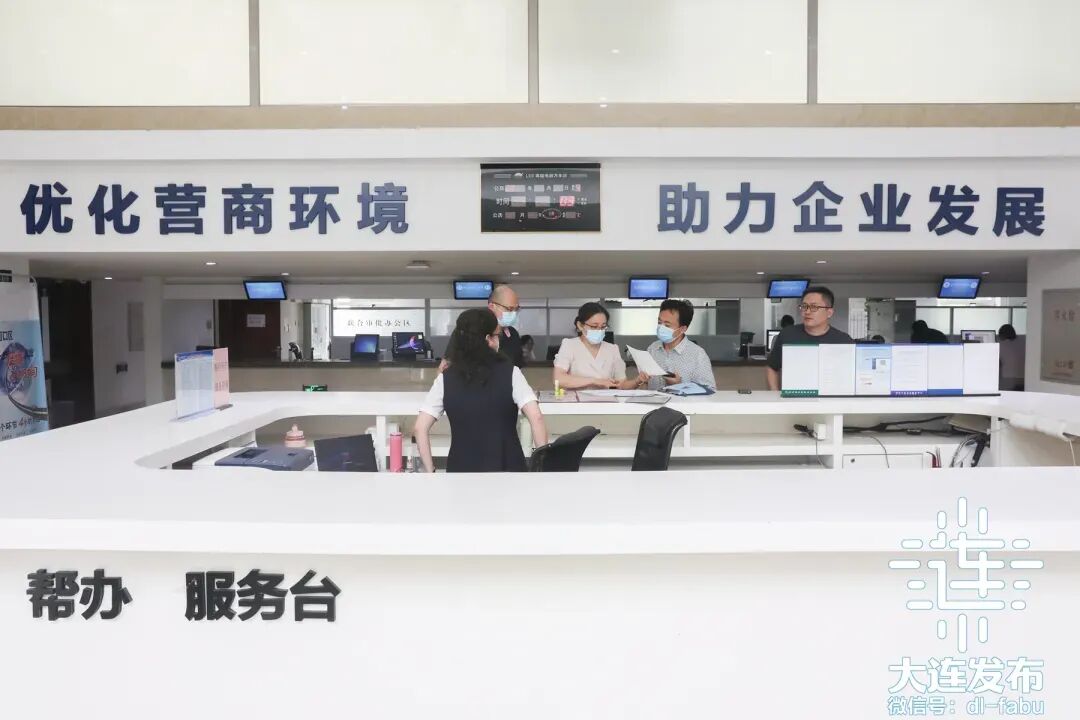
We will establish a negative list for government service items regarding “entering halls or going online” to promote the principle of doing a one-stop job of everything.
Direct service resources toward the grassroots level and broaden the scope of “remain within indoors, document delivery to your door” services.
(2) Innovating government service models.
We will optimize and enhance the unified online government service for government affairs, and explore the application of “AI+Government Services”.
We need to improve the intelligent assistance function of the unified online government service by integrating large-model conversational analysis with service guidance, interactive form-filling for materials, and other operational needs, thereby creating a companion-style intelligent experience that enables real-time guidance while processing.
We will promote the provision of remote assistance services by government service centers at all levels based on demand, aiming to achieve cross-regional handling of more government service matters within the city.
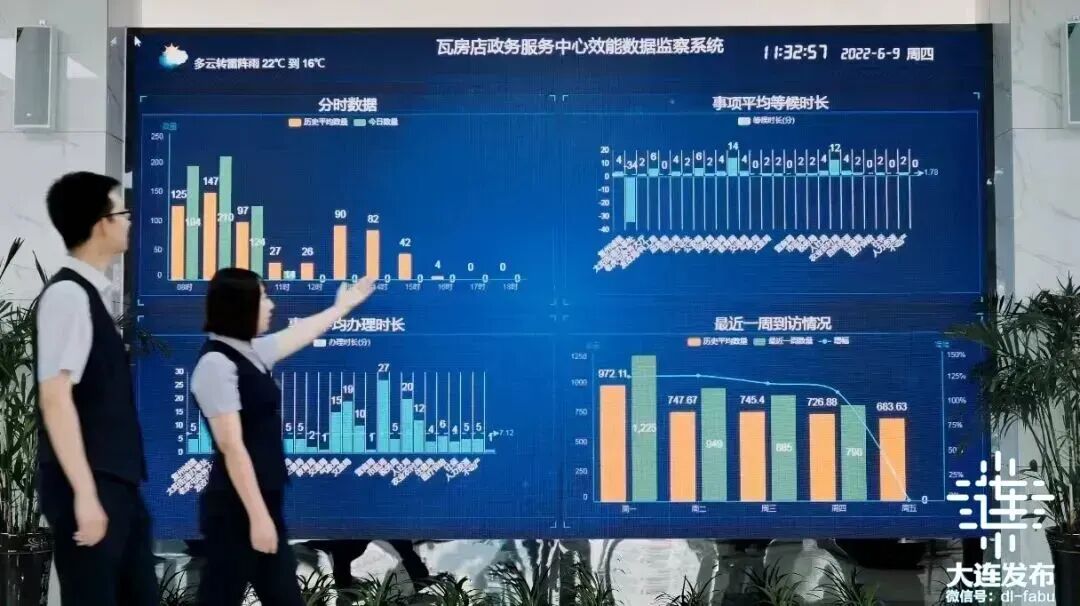
We will leverage both online and offline government service channels, focus on high-frequency enterprise-related needs to provide businesses with one-stop value-added services such as finance, talent, scientific innovation, and legal support.
We will explore the implementation of a layered reform of the informed commitment system, enabling “one-time commitment, one-time approval” for market access projects in specific industries and regions.
(3) Expanding government data applications.
We will conduct a comprehensive inventory of government data resources, improve and refine the government data catalog, and promote the principle of “report only once” for grassroots-level reporting data.
Strengthen the source governance of government data to further achieve “one number, one source, one standard”.
We will center on the needs for government data sharing, drive scenario-based cross-departmental integration and application of government data to effectively support scientific government decision-making and precise social governance.
2. Establishing a Government-Enterprise Communication Platform
(4) Establishing a complaint handling mechanism.
We need to develop an online private enterprise complaints module within the integrated government collaboration system to achieve full-process traceability in complaint handling, thereby further improve the efficiency and effectiveness of complaint resolution.
We will strengthen the handling of legal-related complaints from private enterprises by promptly forwarding issues reported by various market entities through the political and legal authorities’ clue platform, further smoothing channels for voicing demands and safeguarding interests.
We will optimize the roundtable meeting mechanism for foreign-invested enterprises, addressing their challenges by coordinating solutions based on country, industry, and sector.

We will improve and refine the oversight system for the business environment, leveraging business environment monitoring points to establish a closed-loop process for issue identification, assignment, and rectification.
(5) Enhancing the effectiveness of government service hotlines.
We will accelerate the development and application of high-quality data for the 12345 hotline, driving faster response to public demands, more thorough resolution of issues, and smarter urban governance.
We will establish standardized templates for collecting complaint information to ensure uniform data entry and build a multi-tiered tagging system to categorize and label complaints systematically.
We will leverage large-model capabilities, knowledge-based systems, and intelligent algorithm technologies to construct a knowledge graph for the 12345 hotline, and develop analytical models for classifying complaints to enable prediction and early warning for high-frequency, common, cyclical, seasonal, emerging, and clustered demand scenarios, thereby refining the precision of urban governance.
3. Building Diversified Regional Services
(6) Encouraging pilot zones to take the lead in reform.
We will build on the advantage of pilot zones undertaking national and provincial-level reform pilot tasks, encourage them to proactively benchmark against top international and domestic standards, take the lead in implementing innovation pilots for optimizing the business environment, and develop more locally pioneered exemplary practices for enhancing the business environment.
(7) Building district-specific business environment brands.
We need to support the main urban districts in leveraging their distinct industrial features and corporate needs, capitalizing on advantages such as commercial buildings, industrial parks, and the digital economy, to create “one district, one specialty”.
We will provide tailored value-added services for the business environment to enterprises within their jurisdictions, driving high-quality regional economic development.
(8) Supporting characteristic development in counties and cities.
We need to focus on the resource endowment and industrial foundations of each county and city.
Tailor-made plans will be formulated to optimize the business environment for characteristic industries.
Efforts will be made to fully unleash the advantages of sectors such as agriculture, industry, tourism, and fisheries, driving high-quality development of characteristic industries in counties and cities through business environment optimization.
V.
Deepening the Standardized Development of the Rule of Law Environment
We will adhere to the principle of treating the rule of law as the strongest pillar of the business environment, balance rigor and flexibility in enforcement and oversight, strengthen the fairness and efficiency of judicial case handling, and promote the alignment of social impact with legal effect, thereby fostering a fair and transparent legal environment.
1. Enhancing the Effectiveness of Law Enforcement and Regulation
(1) Standardizing Administrative Inspections of Enterprises.
We need to integrate law enforcement inspection across multiple departments and compile a scenario-based checklist for “Comprehensive Inspection in One Visit” to reduce redundant or unnecessary administrative inspections, achieving “one entry, multiple inspections, and one-time completion”.

We will focus on prominent issues such as campaign-style enforcement, “one-size-fits-all” enforcement, rigid enforcement, excessive enforcement, redundant enforcement, and inefficient enforcement, which have drawn strong criticism from businesses and the public, by carrying out specialized rectification and oversight actions.
(2) Comprehensively promote flexible law enforcement.
The “Scan Code for Enterprise Entry” system shall be extensively implemented to ensure that no inspection is conducted without a code, inspections are performed only after presenting the code, evaluations can be made after inspections, and all inspections are traceable.
This will reduce the frequency and improve the quality of administrative inspections involving enterprises, safeguarding their right and the public’s right to supervise administrative inspections.
The concept of service-oriented law enforcement shall be deepened, exploring the establishment of a law enforcement model characterized by “prevention as the priority, exemption from penalties for minor violations, severe penalties for major violations, proportionality between offenses and penalties, and follow-up reviews after enforcement”, enabling enterprises to pursue development with greater freedom.
In areas prone to profit-driven professional claims and frequent reporting, criteria for legally reducing penalties or exempting from penalties shall be refined to guide and encourage producers and operators to conduct business in compliance with laws and regulations.
Where complainants or informants are found to have defrauded compensation from operators or engaged in extortion, cases shall be transferred to public security authorities for handling in accordance with the law.
(3) Enhance regulatory service capabilities.
We will actively leverage technologies such as the internet, big data, and artificial intelligence to implement non-on-site supervision characterized by early warning and risk prevention, including remote supervision and mobile supervision.
On the premise of strictly abiding by the bottom lines of law, security and ethics, explore tolerant and prudent supervision over new industries, business forms and models.
Further advance the differentiated supervision model of “credit plus risk”, promote the application of enterprise credit risk classification results in general matters such as public information under the “random selection of inspectors and inspection targets, and public disclosure of inspection results” supervision mechanism, and implement trigger-based supervision for low-risk enterprises.
Concerted efforts must be made to supervise intermediary services, and rigidly investigate and punish illegal acts including the unauthorized use or affiliation of qualifications, and the issuance of false certificates or reports by intermediary agencies.
2. Strengthening the Handling of Enterprises-Related Cases
(4) Accelerate the handling of enterprise-related enforcement cases.
We will establish green windows for enterprise-related enforcement cases at the enforcement affairs centers of courts across the city, with dedicated staff responsible for case filing of such cases.
Mark newly-filed enforcement cases as priorities at the filing stage to improve handling efficiency.
We will promptly coordinate with case handlers and expedite the resumption of case filing to ensure that all eligible cases are resumed when dealing with application for restoration of enforcement proceedings.
Efforts are needed to accurately apply cross-enforcement measures to effectively resolve major, difficult and long-pending enforcement cases.
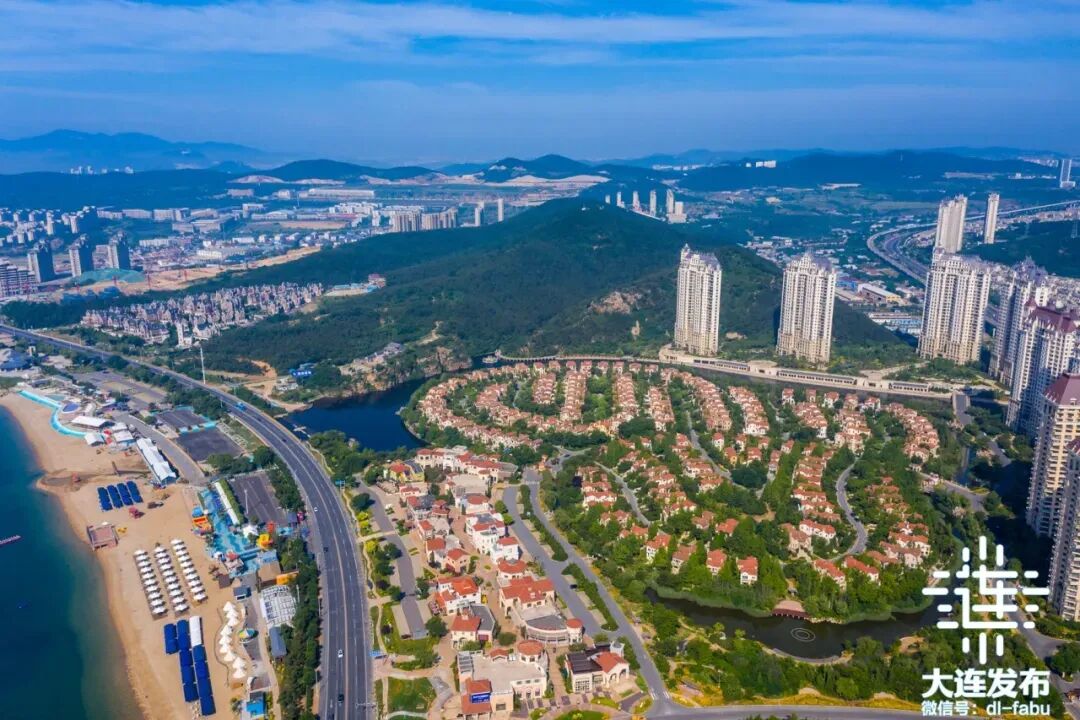
Further advance the reform of public security government service windows, promote the centralized entry of selected urban police service counters into regional government service centers, and achieve one-stop access to all services.
Launch a direct police-enterprise hotline and build an enterprise-related service platform to achieve online functions including demand sensing, appeal handling, enterprise-related approval, regulatory inspection and service performance evaluation.
(5) Carry out in-depth legal supervision concerning enterprises.
We will strengthen legal supervision over property-related false litigation and malicious litigation to uphold judicial justice and authority. Make good use of procuratorial investigation power, focus on areas that undermine the business environment, such as “full-chain” breaches of discipline, protective umbrellas for evil forces, false litigation and “asset packages”, intensify case-handling efforts, and purify the judicial environment.
We will carry out in-depth special rectification of long-pending enterprise-related criminal cases and strengthen judicial supervision over compulsory measures such as seizure, detention and freezing, and enhance the protection of personal rights.
It is imperative to launch special supervision over irregular cross-regional law enforcement and profit-driven law enforcement and judicial activities to promote fairness and impartiality in cross-regional judicial and law enforcement work.
3. Protect the Legitimate Rights and Interests of Enterprises
(6) Strengthen collaborative protection of intellectual property rights.
We will deepen cooperation between courts and administrative authorities in combating intellectual property infringement, and enhance the coordination between administrative law enforcement and judicial adjudication.
Expand the professional coverage of technical investigators, establish dual-dimensional selection criteria featuring “technical expertise plus legal literacy”, and provide professional support for ascertaining facts in complex technical cases.
Promote the standardized development of administrative adjudication of patent infringement disputes, and implement the principle of “handle simple cases efficiently and complex cases meticulously”.
Continuously carry out special law enforcement operations for the protection of intellectual property rights, and intensify the crackdown on malicious and repeated infringements in accordance with the law and regulations.
More efforts are needed to establish a green channel for rights protection for intellectual property infringements occurring in high-frequency infringement scenarios such as e-commerce platforms and exhibitions, deepen the connection between litigation and mediation, strengthen cross-regional judicial collaboration, unify adjudication standards, and resolve disputes more efficiently and effectively.
We will continue to provide guidance services for addressing foreign-related intellectual property disputes, strengthen the dissemination of foreign-related IP adjudication rules, and release exemplary cases of intellectual property protection to offer judicial guidance and support for enterprises in handling cross-border disputes.
(7) Protect the legitimate rights and interests of seafarers effectively.
We will uphold and develop the innovative application of the Fengqiao Experience in the new era, advance the physical construction of the Dalian Seafarer Career Development and Rights Protection Center, and create a service model integrating professional consultation, legal assistance, and employment guidance.
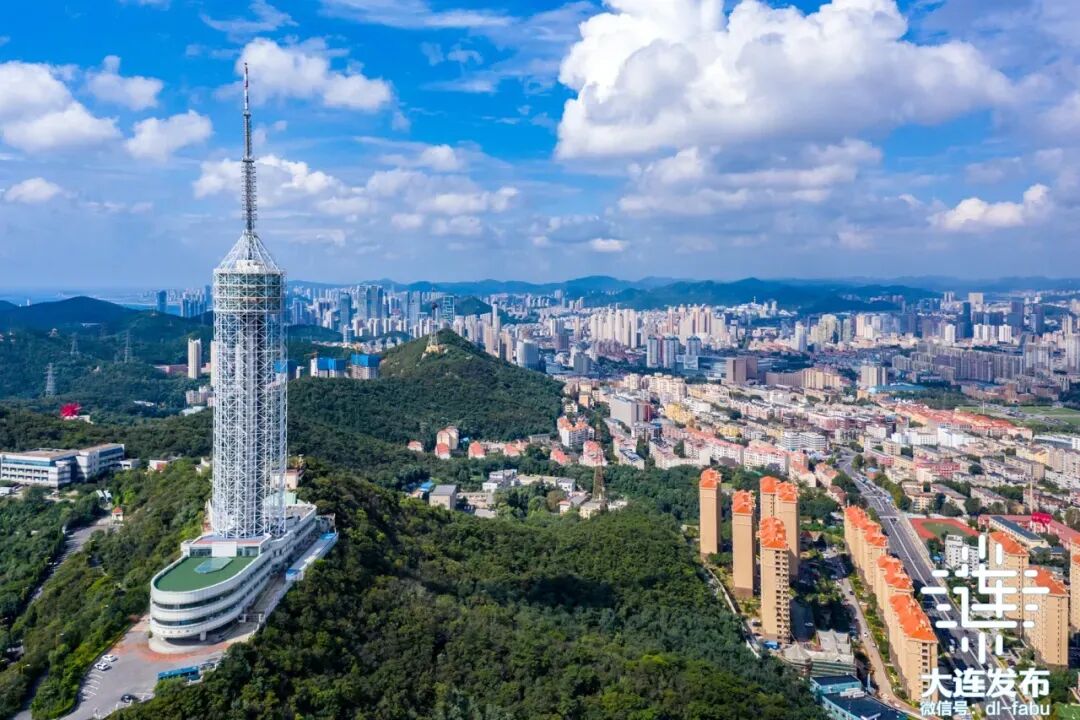
We will explore the establishment of an integrated service system covering seafarers’ entry-exit customs clearance, on-the-job training, examination and assessment, physical examination, employment, and health maintenance, optimizing the development environment for the seafaring profession.
(8) Continue to enhance the construction of creditworthy Dalian.
We will carry out regular special rectification on government fulfillment of commitments to consolidate and improve the integrity of government building.
We will fully promote the credit certification substitution system, replacing certificates of compliance with credit reports.
Continue efforts to clear overdue payments owed to enterprises, effectively utilizing fiscal and financial policies to repayment.
We will strengthen supervision and guidance to promote state-owned enterprises to intensify debt repayment and resolution.
We will leverage the national unified complaint platform for default on payments to small and medium-sized enterprises, and implement a closed-loop management process of complaint reception, referral and processing, and feedback.
VI.
Deepen the Inclusive Construction of a Humanistic Environment
We will adhere to enhancing the sense of belonging and fulfillment of business entities, coordinate the construction of a “soft environment” including scientific and technological innovation, investment promotion, public services, and urban development, and build a business-friendly and secure humanistic environment.
1. Stimulate the Vitality of Innovation and Entrepreneurship
(1) Promote the empowerment of industrial development by artificial intelligence.
We will focus on industry innovation scenarios such as the intelligent economy and intelligent society, optimize the supply of artificial intelligence elements, develop large-scale models for vertical domains with deep integration of multi-modal data and knowledge, and promote the extensive and in-depth integration of artificial intelligence with economic and social development.
By the end of 2026, we will launch key technology R&D projects in the field of artificial intelligence, and build more than two industry-specific large models for vertical domains like marine and medical industries to support industry applications in complex multi-task scenarios.
(2) Deepen the construction of pilot test bases and proof-of-concept centers.
We will focus on key industrial fields including clean energy, equipment manufacturing, life sciences and health, and marine economy, and deploy high-standard concept verification centers and pilot production platforms.
We will promote the market-oriented opening and sharing of concept verification and pilot test platforms, build a seamless technology achievement transformation ecosystem connecting laboratories and the market, and facilitate more scientific and technological achievements to transform from samples into industries.

We will support characteristic industrial parks to strengthen the construction of professional incubators.
By the end of 2026, we will establish and cultivate more than five proof-of-concept centers and technology achievement transformation pilot production bases.
2. Optimize the Investment Promotion Environment
(3) Launch targeted investment attraction for supporting enterprises.
We will standardize investment promotion practices, complete the upgrading and case filing of investment promotion policies, and strengthen the disclosure of investment promotion policy information.
We will improve the sorting and consolidation of industrial policies and formulate the List of Dalian Municipal Policies for Supporting Industrial Development (2026 Edition).
On the premise of compliance with laws and regulations, we will accelerate the fulfillment of existing investment promotion policies, and consolidate the foundation of the business environment with government credibility.
We will focus on industry, innovation and resource allocation chains, conducting in-depth analysis of regional industrial foundations, comparative advantages, and shortcomings to clarity the weak, missing, and broken links in the chain.
We will focus on traditional advantageous industries including petrochemicals and shipbuilding, as well as strategic emerging industries like integrated circuits, target leading enterprises and supporting enterprises in key industrial chain segments, and promote precise industrial investment to achieve “targeted investment based on clear industrial positioning”.
(4) Service enterprises with “bringing in” and “going global”.
We should make full use of resources such as foreign dignitary delegations, embassies and consulates in China, and business associations, and leverage the opportunities provided by foreign affairs activities to enhance the city’s international influence.
We should strengthen coordination with overseas embassies and consulates, promptly grasp the latest developments in global industries and policies, and improve the level of investment promotion and “Going Global” services, and optimize foreign-related legal services, improve the quality and efficiency of lawyers, notarization, etc., and provide legal consultation, risk prevention and other foreign-related legal services guidance for enterprises.
We should support the Dalian Free Trade Zone and relevant institutions, business associations and enterprises in the districts and counties within the jurisdiction to build “‘Going Global’ Public Service Platform”, providing comprehensive support and guarantees for enterprises to expand their multinational business markets.
3. Enhance Public Service Level
(5) Continuously optimize the services for visitors coming to Dalian.
We should promote the construction and operation of the airport ride-hailing pick-up area, providing convenient and safe travel experiences for passengers and efficient ground transportation services.
We should further optimize the service supply of the first “one-stop” comprehensive service center for foreigners in Northeast China, enhancing the synergy effect of payment, tourism, communication and transportation sections, and conveniently meeting the needs of foreigners coming to Dalian for living and tourism.
(6) Continuously improve the quality of living.
We should promote the standardization of the treatment process, the normalization of medical treatment behaviors and the quality of medical services and establish a regular medical tour system in Dalian, promote the expansion and redistribution of high-quality medical resources and the balanced layout of regions.
We should support public tertiary hospitals in conducting pilot programs for free accompaniment care services to solve the medical pain point of “one person hospitalized, the entire family accompanying”.

We should provide pre-guidance for the policy of medical insurance designated access, implanting the application qualifications and related management policies for medical insurance designated application and related management policies into the approval processes of market supervision departments and health departments, providing pre-guidance for enterprises.
We should develop an online signing system for medical insurance services agreements to achieve automation and paperless signing of medical insurance service agreements and develop an OCR system to optimize the manual reimbursement processing procedures.
We should incorporate enterprises-run elderly care institutions into the scope of fiscal support for development, and enhance the supply capacity and quality of elderly care services in the entire city.
4. Release the Developmental Vitality of the City
(7) Precisely stimulate consumption potential.
In line with the construction of the new consumption pilot city, we should create influential and driving platforms such as debut centers and debut economy clusters, support high-level first stores, first exhibitions and first shows of leading, competitive and economically-driven domestic and foreign brands.
We should activate the vitality of night-time consumption, support the quality upgrade of night-time economy, focus on building regional influential night-time cultural and tourism consumption clusters, extend the night-time consumption chain, and enhance the quality of night-time consumption.
(8) Increase cultural and sports service supply.
We should implement people-benefiting open project for public sports venues through resource sharing and opening to help surrounding professional institutions and start-up enterprises achieve win-win development.
We should implement the brand improvement action for cultural and tourism characteristic districts, establish typical tourism leisure districts, release quality tourism routes, and create more city IPs and leisure destinations for tourists to visit, and deepen the city brands such as “Following the Events to Dalian” and “Following the Cruise to Dalian”, achieve the integrated development of culture, sports and tourism, and continuously polish the city’s cultural and tourism characteristic brand.
We should strengthen public cultural services, enrich the supply of cultural products.
(9) Create a favorable public opinion environment.
We should carry out the “E-Enterprise Heart Connection—Guarding the Business Environment for Entrepreneurs” special action.
We will promote the pilot work of establishing service stations for handling online infringement cases related to enterprises, release the “Dalian City Guide for Reporting Online Infringement Information of Enterprises”, and promote the “Classification List for Reporting Online Infringement Information of Enterprises”.
We will strengthen the primary responsibility of local website platforms, intensify the crackdown on illegal acts such as online rumors, cyberbully, and online extortion targeting enterprises, and guide and support enterprises to carry out reporting of online infringement information of enterprises on other platforms.
We will focus on rectifying behaviors such as online defamation and smear campaigns targeting enterprises at key moments such as enterprise listings, mergers and acquisitions, and project commissioning.

All regions and departments should enhance political stance, strengthen ideological understanding, firmly grasp the strategic position of the business environment as a means to promote the high-quality development of Dalian and achieve comprehensive revitalization.
We should earnestly implement the decisions and deployments of the Central Committee and the State Council, as well as the work requirements of the Provincial Party Committee and Provincial Government, Municipal Party Committee and Municipal Government.

We should uphold the concept of “Oneness” , unite the forces as one, and formulate specific implementation plans for optimizing the business environment in respective fields and regions based on actual conditions, clearly defining schedules and roadmaps to promote the overall optimization and continuous improvement of the business environment across the city, and create a favorable development environment for all types of business entities, leading and setting an example in building a first-class business environment.
Dalian Business Environment Construction Bureau should increase its coordination, organization, and supervision and guidance efforts, and tighten the “responsibility chain” for all tasks.

All regions and departments should take the initiative to assume responsibilities, perform duties, and cooperate with each other, striving to be the “vanguard” in optimizing the business environment.
The disciplinary inspection and supervision organs should play the role of a disciplinary accountability sword, resolutely rectify issues that undermine the business environment.
The publicity department should promptly promote successful practices, continuously expanding the reform and innovation achievements.
本条微信由“大连发布”(微信号:dl-fabu)编辑制作
图片:雪林 张春雷 部分由受访单位提供
原标题:《Dalian 2026 Business Environment Quality Improvement Action Plan》