
我院特聘研究员王绍光新著《中国崛起的世界意义》出版

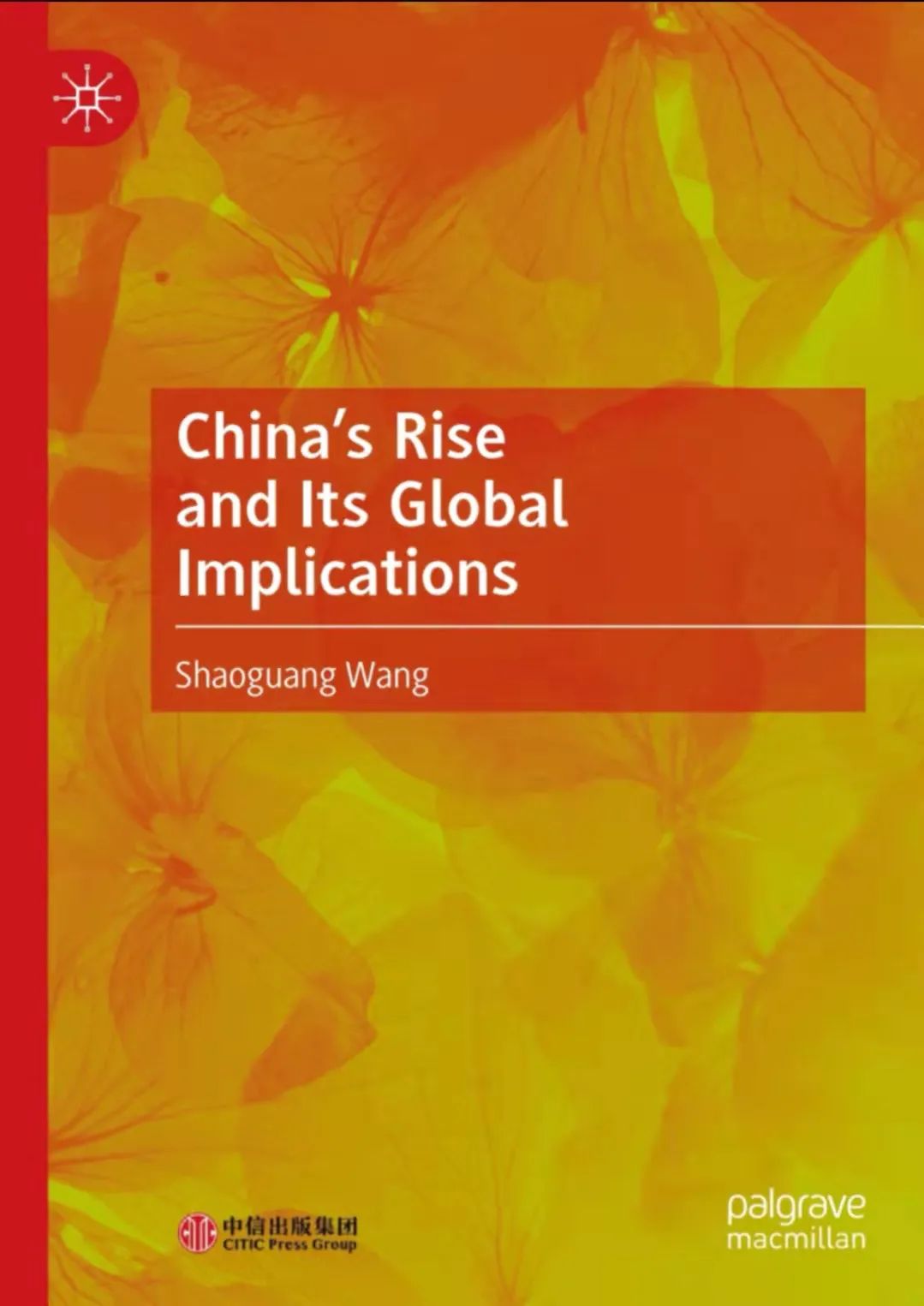 国家治理研究院特聘研究员王绍光的China’s Rise and Its Global Implications一书及其中文版《中国崛起的世界意义》由中信出版社出版。为什么有些国家崛起、有些国家衰落?过去两百年,西方学者提出过各种各样的理论,无非是想证明,西方具备其它国家缺乏的一些特色(人种、地理、气候、文化、制度等),并借机兜售一些所谓放之四海而皆准的成功秘诀(“私有制”、“市场”、“竞争”、“法治”、“民主”等)。其实那些流行理论根本无法解释西方自身的崛起,因为它们大都遮蔽了帝国主义、殖民主义、奴隶制、奴隶贸易在其崛起过程中扮演的关键角色。当然,它们更无法解释中国的崛起。本书的重点是解释中国的崛起,但会把中国这个案例放在比较与历史的视野中加以考察,力图在讲好中国故事的同时, 也能理顺其他国家崛起的脉络。它揭示了中国崛起的两重意义。现实意义在于,中国的实践告诉世人:只要找到了正确的发展途径,哪怕是穷国、和平之国、非西方国家、社会主义国家、人口大国也可以发展起来。理论意义在于,中国道路说明, 一国的崛起并不需要采取西方模式;而中国道路的精髓是“独立自主、实事求是、因地制宜”。
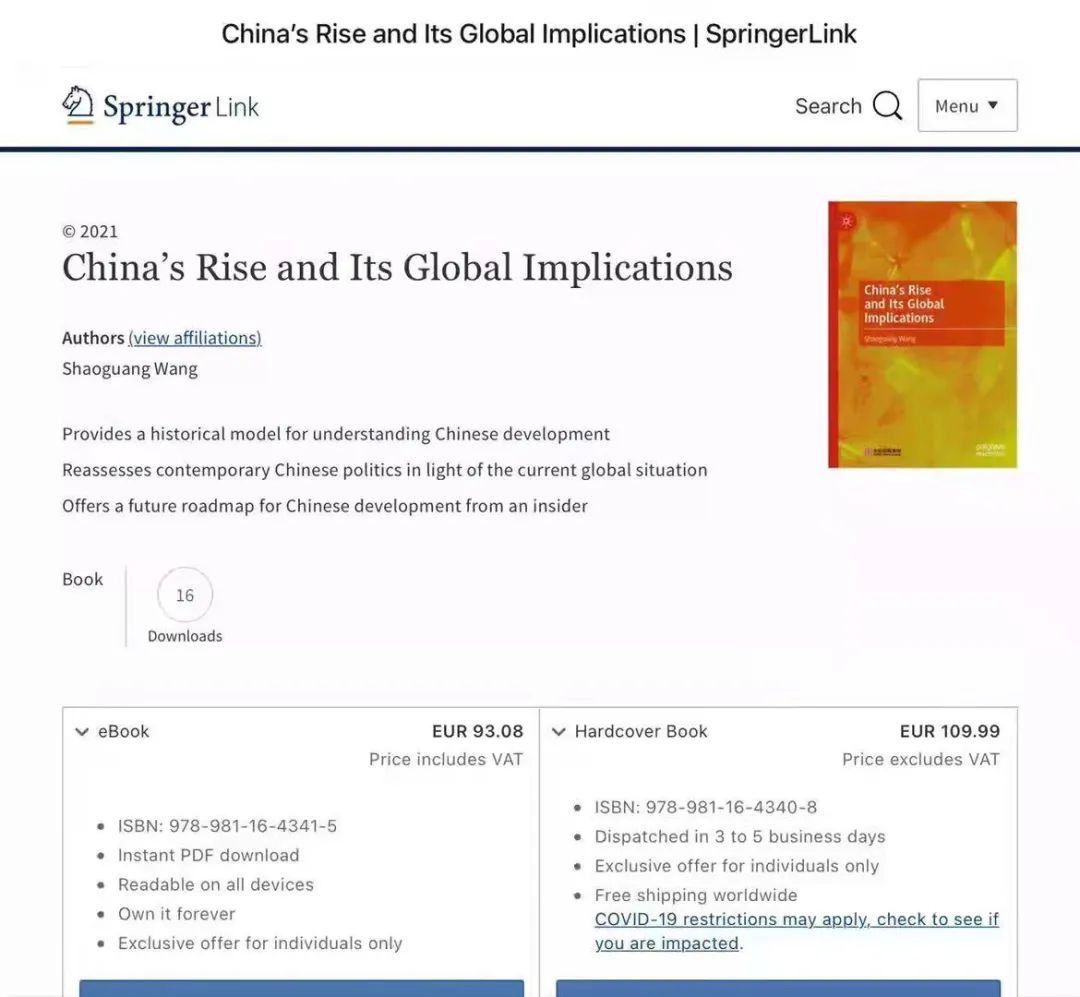 内容简介
内容简介China’s Rise and Its Global Implications
Shaoguang Wang
Preface
Ever since 1949, there have been recurring predictions about PRC’s imminent collapse. Many are convinced that China’s system would not work, and its development would sooner or later hit a wall. Why do so many people have repeatedly made wrong predictions? It has to do with their tacit theoretical basis and dogmas in the heads of those who make such predictions. The Preface briefly discusses some of prevailing “theories” and reveals their unspoken premises: Only systems possessing certain talismans of power would prevail, and all others are doomed to fail unless they follow the path suggested by the “theories”. China's rise overturns these theories. The book attempts to explain why China, once an extremely poor country in the East with no history of colonialism, could take off after it embarked on the road of socialism. The story of China tells the world that if China can, so can all others.
Chapter 1 Revelation: State Capacity and Economic Development
Chapter 1 explores a key prerequisite for economic rise: state capacity. It uses the three cases of historical “Great Divergences” (The Great Divergences between the East and the West, between China and Japan, and between East Asia and the rest of developing world after the WWII) to illustrate: Countries with relatively smooth political and economic restructuring and earlier economic growth are all those whose state capability has been strengthened first, followed by economic development. As far as China is concerned, what it lacked in contrast to the West and Japan in the early modern era was a state with essential infrastructural power (in particular, coercive capacity and extractive capacity). In contrast, the country’s economy has been able to take off since the foundation of the PRC mainly because the new state demonstrated unprecedented capacity to formulate, implement, and monitor policy initiatives nationwide.
Chapter 2 Groundbreaking: From Old China to New China
Chapter 2 examines why the New China can do what the Old China cannot. The key is still state capacity. To be strong and prosperous, a country must have laid solid political, social, and material foundations. This is not an easy task, requiring an effective government in place. The chapter first examines the situation before 1949, and then focuses on China before the “reform and opening up”, to highlight the extraordinary significance of state-building. The first 30 years of the PRC were a period of foundation laying, which is both tough and time-consuming. And the people who put the foundation in place may not be able to immediately enjoy the fruits of their hard work. However, without the strong foundation built in the first 30 years, it would not be possible to have the magnificent achievements that rose from the ground in the next 40 years.
Chapter 3 Exploration: From the First 30 Years to the Last 40 Years of the PRC
Chapter 3 reviews China’s continuous exploration of a new path toward socialism in the last 70 years. In the first 30 years, due to Mao’s painstaking effort, China built a socioeconomic system that deviated considerably from the rigid Soviet model. In the latter 40 years, a wide range of reforms have been introduced. Economically, the share of public sector has significantly decreased, and the form of the public sector has also altered. Obviously, this is far from the traditional "socialist" model. Nevertheless, China's public sector is still a much larger component of its economy than that in most countries. Politically, it can be said that Chinese politics has been changing every day, and Chinese politics remains essentially the same despite all apparent changes. Between change and persistence, China has found a new path toward political modernity.
Chapter 4 Planning: From Jihua to Guihua
Chapter 4 deals with one of China’s "secret weapons" for development: medium and long-term planning. Since 1953, China has completed 13 five-year plans, among which 6 were implemented after 1992 when China announced to move from a planned economy to a socialist market economy. China’s five-year plan today is called “guihua”, very different from previous "jihua". Its range of coverage is more comprehensive than before, involving not only economic development but also social development, and its nature is more macroscopic than micro-managerial, no longer aiming at dictating activities of individual enterprises. Planning still plays a key role in resource allocation, especially in strategic areas, but in most areas, the market's role is more fundamental and decisive. China still insists on formulating a five-year plan mainly to clarify national strategic intentions, underscore government priorities, and guide market players' behaviors.
Chapter 5 Pillar: State-owned Enterprises and Industrialization
Chapter 5 discusses the unique contribution of state-owned enterprises to China's industrialization. At the time when the PRC was established, China was an extremely backward agricultural country. Today, China is an industrial powerhouse, accounting for nearly 30% of global manufacturing value added. The first part of the chapter is about the starting point of New China, without a clear understanding of which, it would be difficult to appreciate great accomplishments in the subsequent years. The second part examines how China, in the first 30 years of the PRC, transformed itself from an agrarian economy into an industrial economy, and how independent and comprehensive industrial system was built up. The third part explains how China leapfrogged from an industrial economy to a mega industrial economy in the next 40 years. The assessment of the vital role state-owned enterprises has played in the 70-year history will run through all three parts.
Chapter 6 Direction: From Economic Development to Social Development
Chapter 6 shifts the focus from economic development to social development. The foundation of the PRC marked the realization of a dream strived for by millions of Chinese people over the preceding hundred years, i.e., the dream of liberation. Since 1949, China has gone through two stages of historical development, in which it realized the dream of self-reliance and the dream of freedom from poverty, respectively. Having entered the third stage of its contemporary history, China is now striving to achieve a new dream of shared prosperity for all. Supported by statistical data, this chapter demonstrates that China has made a new great leap forward in the field of social protection over the past 20 years, which has quietly brought about enormous changes to the life of millions of Chinese people. Specifically, it has stopped inequality from further deteriorating and created a benign environment for lessening human insecurity.
Chapter 7 Leapfrogging: Moving from Low Income to High Income
The rise of China is a great epic. At the time of the founding of the PRC, China was one of the poorest countries in the world. After decades of hard work, China finally in 1999 escaped from the poverty trap that had plagued its people for thousands of years and moved from a low-income economy to a lower-middle income economy. Only12 years later, China entered the next stage—the upper middle-income, which represents the shortest transition period from lower middle-income to upper middle-income than any other economies with historical data. Will China fall into something called the "middle income trap"? The chapter demonstrates from theoretical and comparative perspectives that there is no such thing as the “middle income trap”. Even if such a trap does exist, China will surely be able to join the club of high-income countries in a not distant future.
Appendix: The “Great Famine” from a Historical and Comparative Perspective
No matter how great achievements China has made in the past 70 years, some people simply refuse to believe that its system has been working well. Instead, their attention always focuses on China’s “scars” such as the so-called "Great Famine" (1959-1961). This appendix does not intend to estimate the death toll from the “Great Famine.” Instead, backed by data, it discusses how to put the episode in perspective. Historically, the worst mortality rate during the “Great Famine’ would have been normal before the Liberation. Comparatively, China's worst record after the Liberation was just equivalent to the normal death rate in India and the least developed world. In China, famines had been an ongoing problem for thousands of years. It is the People’s Republic that finally eliminated them, which constitutes yet another historical achievement of the New China!
 作者介绍
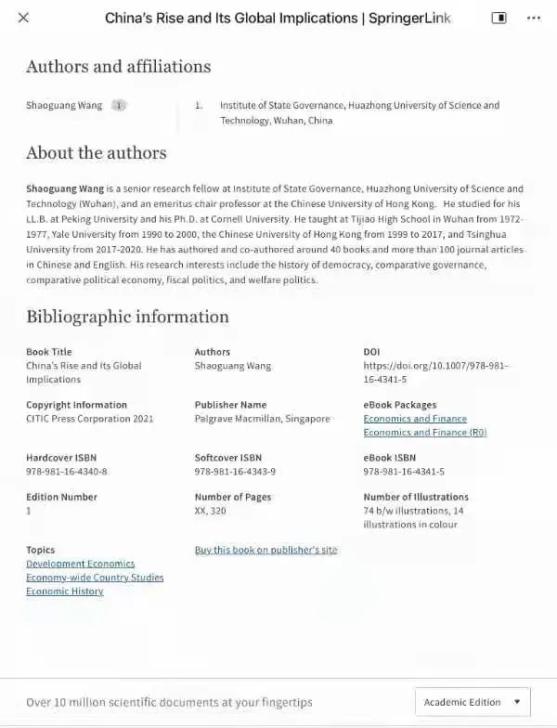
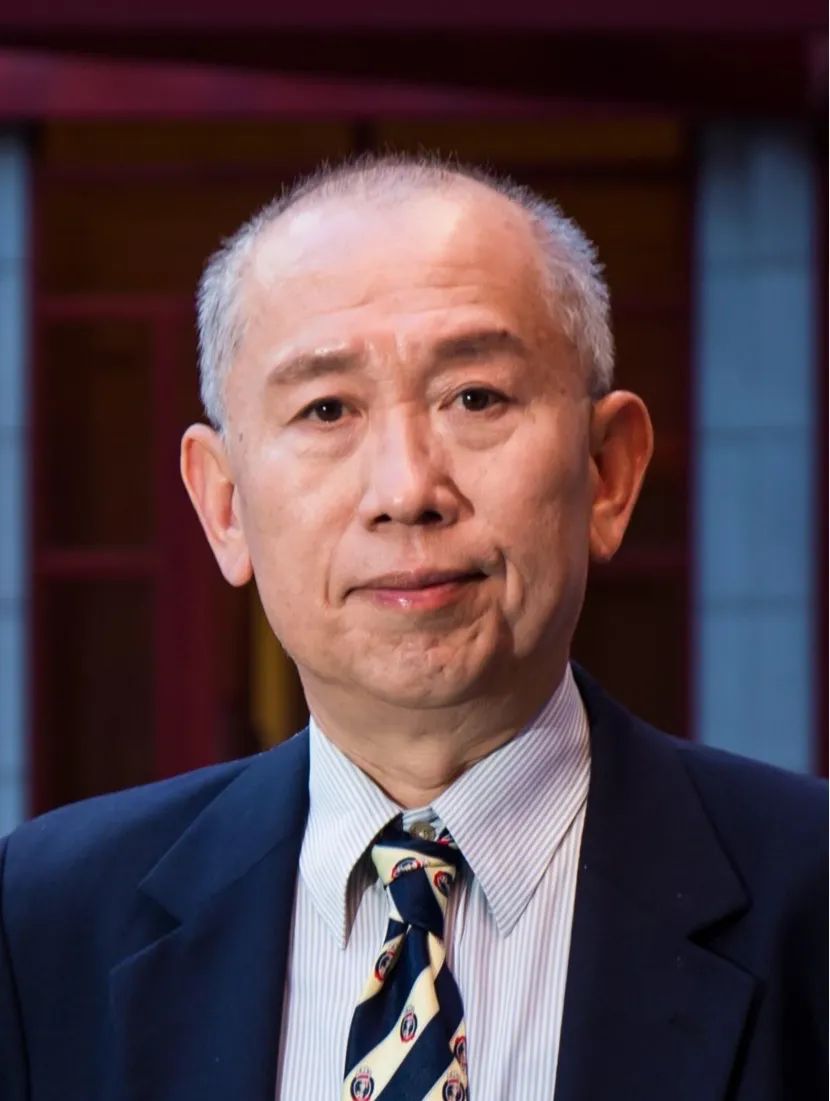
作者介绍王绍光,华中科技大学国家治理研究院特聘研究员,香港中文大学荣休讲座教授。他于1982年获北京大学法学士学位,1984年获美国康乃尔大学政治学硕士学位,1990年获美国康乃尔大学政治学博士学位。他曾在1972-1977年任教武汉市堤角中学,1990-2000年任教美国耶鲁大学政治系,1999-2017年任教香港中文大学政治与公共行政系2017-2020年任教清华大学公共管理学院、苏世民书院,2020年10月正式被聘为华中科技大学国家治理研究院特聘研究员。他已出版中英文专著与合著约40种,并在中英文刊物上发表上百篇文章,其研究兴趣包括有关民主的制度史与思想史,比较治理等。
 END
END关于我们
华中科技大学国家治理研究院成立于2014年2月,是在党的十八届三中全会之后成立的中国特色新型高校智库。由华中科技大学原党委副书记、中国著名哲学家欧阳康教授担任院长。设有国家治理理论与比较研究中心、国家治理体系与政策研究中心、国家治理调控与评价体系研究中心、治理信息采集与大数据处理中心、政府决策支持系统研究中心、湖北区域治理与中部发展战略研究中心等机构。现有专兼职人员35名,客座研究员46人,外籍客座研究员18人。
2014年11月,被评为湖北省高等学校人文社会科学重点研究基地;2015年初被纳入湖北省“十大改革智库”;2016年初被纳入“湖北省十大新型智库”,命名为“湖北地方治理研究院”;2016年3月建成国家治理湖北省协同创新中心;2016年12月入选中国智库索引(CTTI);2017年11月入选中国智库综合评价AMI中国核心智库;2018年1月进入中国大学智库机构百强榜位居第18位。2018年12月进入“中国大学智库百强榜”高校A类智库。
原标题:《我院特聘研究员王绍光新著《中国崛起的世界意义》出版》