
你的抑郁和城市绿化有关?

原创 Dr Zoe Myers 酷炫脑
 《散步去》
《散步去》作者 | Dr Zoe Myers
翻译| Kolibri
改写| Adam Peng
审校 | 酷炫脑主创&小注
朗读 | 胡恩
美工 | 雪今金
编辑 | 小注
神经科学证据表明,我们感官需要与鸟语花香的自然环境接触,才能达到生态环境,心理健康和城市发展的三赢!
城市居民的心理健康是一个日益紧迫的问题。越来越多的人出现了焦虑和抑郁的症状。研究表明,增加生活环境中的生物多样性,使市民们更加亲近大自然有助于减少人们的生活压力。而城市设计和规划可以通过改造人们日常生活中使用的空间来促进人们的心理健康。
很多原因都可能导致心理健康方面的问题。其中,与我们的身体关系密切的外界环境对于患心理疾病的风险,患病的病程以及患病后的康复有着深远的影响。
体育活动是人们保持健康的基本需求之一,也是城市规划和设计的重要考量标准。心理健康则是人们在体育活动和社会交往之余渴望获得的副产品。
现如今,神经科学的相关研究和实验技术能够让我们更深入地了解人们感知生活空间和自然元素的方式,这些新的知识领域极大地改变了城市设计和规划的重点和方向。
怎样才算“亲近大自然”?
大量研究表明,“自然”在很多形式和背景下能够以非常直接的方式改善人们的心理健康。不幸的是,我们城市中的自然栖息地范围和生物多样性正在迅速减少。
大多数情况下,“自然”一词在我们生活的城市中代表着绿地和公园等开放的公共场所,但是 “自然”在这些地方总是或多或少地独立于我们城市社区的其他区域存在。翻新重建的工程通常集中在大型绿化走廊上。但其实正如城市生态学家们所提出的那样,哪怕只是一小块真正具有生物多样性的绿化区域,就已经足以重新吸引和维持大量动植物物种繁衍生息了。
 珀斯的城市果园|Zoe Myers
另一方面,也有大量的研究证明,自然环境对我们的影响并不总是从一而终的。“自然”环境有时是有益的,有时却是危险的。尤其是当自然被迫以某种不太“自然”的方式孤独又无人问津地出现在城市中时,它反而会给人们带来不利的影响。
这些因素导致人们在希望利用来自大自然的神奇解药治愈城市生活中的顽疾时需要更加小心谨慎。
我们需要更加具体地弄清楚,在城市设计和规划中有利于人们心理健康的“亲近自然”究竟意味着什么。
为什么生物多样性很重要?
实验测量技术和移动技术的可行性和经济性——如测量大脑活动的功能性核磁共振(fMRI)和脑电图(EEG)——极大地拓宽了心理健康和自然环境的研究范围。现如今,研究人员可以直观地分析人们对城市街景图像和森林图像的反应,同时还可以追踪受试者在对应环境中活动时的感受。
研究表明,生物多样性对我们的心理健康有特别积极的好处。鸟语,花香,蝉鸣,这些自然环境对多感官所产生的共同刺激对心理状态的恢复、内心的平静以及创造力的激发有显著的促进作用。
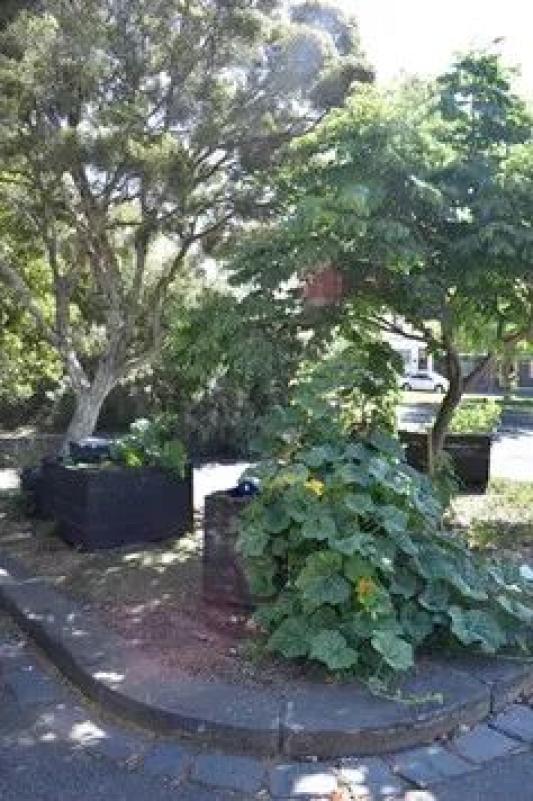 种植者给墨尔本卡尔顿的路边带来了生机|MelanieThomson
其他诸如我们在天然空间中的自我感觉,适应自然环境的过程以及体温的变化都可以帮助我们和大自然更亲密地接触。
只有认识到这些感受的重要作用,我们才能将城市设计和规划的重点从视觉美感和其实用功能转移到我们对自然环境本身的感受上来,以确保我们能为具有不同能力和不同个性的人创造适合的生活和工作场所。
神经科学研究还表明, “丰富”且多样化的生活环境可以促进人们的生活动力。这有助于保持我们认知功能的健康,让我们更快乐。
除了大脑对自然环境反应的医学成像研究,越来越多令人信服的证据还证实,与土壤和空气中的不同微生物群接触对于缓解抑郁和焦虑也有着积极的帮助。利用闲暇的时光玩玩泥巴和沙子,既能治疗心理,也能舒缓神经。
相反,空气、噪音和土壤污染则增加了城市中的人们罹患精神疾病的风险。
这对城市居民们意味着什么?
种种研究都发现,增加城市中的生物多样性是提升居民心理健康的不二之选。所以作为设计师和规划者,我们的工作致力于脚踏实地为人与自然创造更多的接触机会。
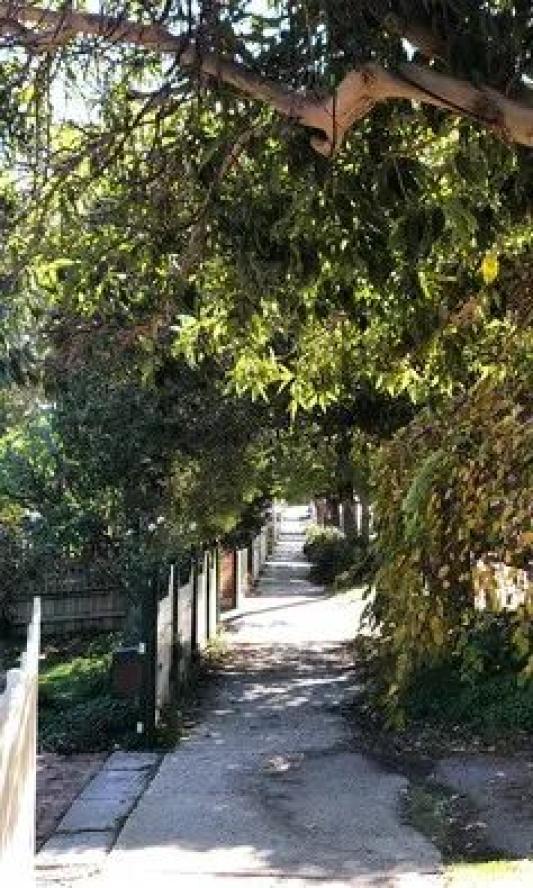 珀斯的一条住宅区街道|Zoe Myers
“亲近自然”这个概念并不新鲜。不过专注于在城市中促进真正天然的生物多样性让我们把这个非常广泛却略显抽象的概念因地制宜地应用起来。
新技术和跨学科研究开拓了我们利用环境改善心理健康的新思路。这种认识挑战了城市规划中对绿植和自然环境一成不变的古板设计。神经科学可以从此改变城市设计和规划,使城市地区的绿化工作更加灵活自然。
神经科学证据表明,我们感官需要与鸟语花香的自然环境接触,才能达到生态环境,心理健康和城市发展的三赢。
想要知道自己究竟有没有
参考文献
1.Lambert K, Hyer M, Bardi M, etal. Natural-enriched environments lead to enhanced environmental engagement andaltered neurobiological resilience[J]. Neuroscience, 2016, 330: 386-394.
2.Bretzel F, Vannucchi F, RomanoD, et al. Wildflowers: From conserving biodiversity to urban greening—Areview[J]. Urban forestry & urban greening, 2016, 20: 428-436.
3.Bakolis I, Hammoud R, Smythe M,et al. Urban mind: Using smartphone technologies to investigate the impact ofnature on mental well-being in real time[J]. BioScience, 2018, 68(2): 134-145.
4.Bell S L. Experiencing naturewith sight impairment: Seeking freedom from ableism[J]. Environment andPlanning E: Nature and Space, 2019, 2(2): 304-322.
5.Hoyle H, Hitchmough J,Jorgensen A. All about the ‘wow factor’? The relationships between aesthetics,restorative effect and perceived biodiversity in designed urban planting[J].Landscape and Urban Planning, 2017, 164: 109-123.
6.Ratcliffe E, Gatersleben B,Sowden P T. Bird sounds and their contributions to perceived attentionrestoration and stress recovery[J]. Journal of Environmental Psychology, 2013,36: 221-228.
7.Allen-Collinson J, Leledaki A.Sensing the outdoors: a visual and haptic phenomenology of outdoor exerciseembodiment[J]. Leisure Studies, 2015, 34(4): 457-470.
8.Kendal D, Zeeman B J, Ikin K, etal. The importance of small urban reserves for plant conservation[J].Biological Conservation, 2017, 213: 146-153.
9.Bell S L, Leyshon C, Foley R,et al. The “healthy dose” of nature: A cautionary tale[J]. Geography Compass,2019, 13(1): e12415.
10.Lobo M. Gestures of judgement and welcome in public spaces:hypervisible migrant newcomers in Darwin, Australia[J]. Journal of CulturalGeography, 2015, 32(1): 54-67.
11.Aspinall P, Mavros P, Coyne R, et al. The urban brain: analysingoutdoor physical activity with mobile EEG[J]. British journal of sportsmedicine, 2015, 49(4): 272-276.
12.Kühn S, Düzel S, Eibich P, et al. In search of features thatconstitute an “enriched environment” in humans: Associations betweengeographical properties and brain structure[J]. Scientific reports, 2017, 7(1):11920.
13.Deans E. Microbiome and mental health in the modern environment[J].2017.
14.Koga K, Iwasaki Y. Psychological and physiological effect in humansof touching plant foliage-using the semantic differential method and cerebralactivity as indicators[J]. Journal of physiological anthropology, 2013, 32(1):7.
15.Robinson J M, Mills J G, Breed M F. Walking ecosystems inmicrobiome-inspired green infrastructure: an ecological perspective onenhancing personal and planetary health[J]. Challenges, 2018, 9(2): 40.
16.Sass V, Kravitz-Wirtz N, Karceski S M, et al. The effects of airpollution on individual psychological distress[J]. Health & place, 2017,48: 72-79.
17.Attademo L, Bernardini F, Garinella R, et al. Environmentalpollution and risk of psychotic disorders: A review of the science to date[J].Schizophrenia research, 2017, 181: 55-59.
18.Mills J G, Weinstein P, Gellie N J C, et al. Urban habitatrestoration provides a human health benefit through microbiome rewilding: theMicrobiome Rewilding Hypothesis[J]. Restoration ecology, 2017, 25(6): 866-872.
19.Wood C J, Pretty J, Griffin M. A case–control study of the healthand well-being benefits of allotment gardening[J]. Journal of Public Health,2016, 38(3): e336-e344.
20.Hall D M, Camilo G R, Tonietto R K, et al. The city as a refuge forinsect pollinators[J]. Conservation Biology, 2017, 31(1): 24-29.
21.Martínez-Soto J, Gonzales-Santos L, Pasaye E, et al. Exploration ofneural correlates of restorative environment exposure through functionalmagnetic resonance[J]. Intelligent Buildings International, 2013, 5(sup1):10-28.
22.Söderström O, Empson L A, Codeluppi Z, et al. Unpacking ‘the City’:An experience-based approach to the role of urban living in psychosis[J].Health & place, 2016, 42: 104-110.
23.Streit F, Haddad L, Paul T, et al. A functional variant in theneuropeptide S receptor 1 gene moderates the influence of urban upbringing onstress processing in the amygdala[J]. Stress, 2014, 17(4): 352-361.
24.Lederbogen F, Kirsch P, Haddad L, et al. City living and urbanupbringing affect neural social stress processing in humans[J]. Nature, 2011,474(7352): 498-501.
25.Fitzgerald D, Rose N, Singh I. Living well in the Neuropolis[J]. TheSociological Review, 2016, 64(1_suppl): 221-237.


 酷炫脑长期征集脑科学、心理学类文章,欢迎投稿
投稿请发邮箱:2829023503@qq.com
点这里,让朋友知道你热爱脑科学
原标题:《你的抑郁和城市绿化有关?》